


Blog
Manau Rattan Natural Premium Material in the Furniture Industry

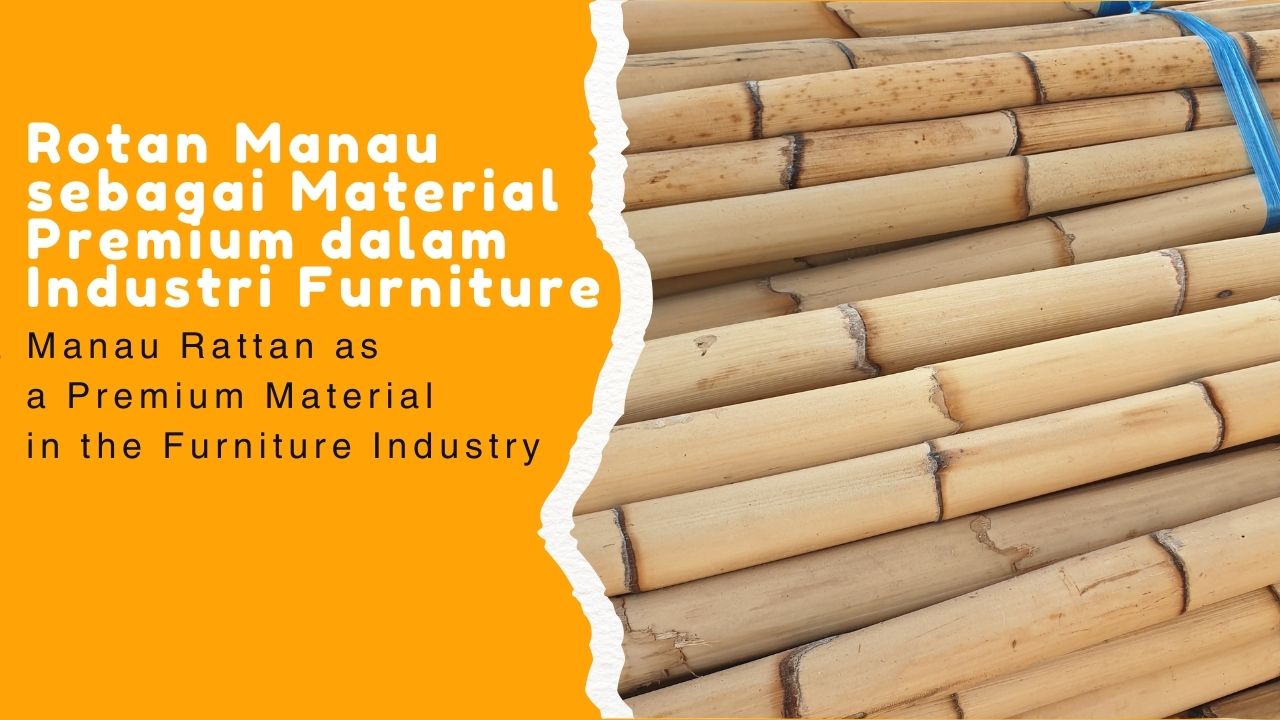
Manau Rattan Natural Premium Material in the Furniture Industry
In recent years, the trend of using natural materials in interiors and furniture has increased. Consumers now prefer materials that provide a warm, natural feel and harmony with the environment. Among the various popular natural materials, rattan is a top choice due to its eco-friendly, flexible, and aesthetic characteristics. In the furniture world, rattan is known not only for its natural appearance, but also for its sustainability as a renewable material. Of the many types of rattan used, manau rattan holds a special position as one of the most premium types. With its large diameter, strong fibers, and high durability, manau rattan has become a top choice for quality furniture products, both for household needs and commercial projects such as hotels, resorts, and cafes. Natural Manau Rattan. As a material that combines natural beauty and structural strength, manau rattan continues to be a favorite in the global market that prioritizes quality and aesthetics.
Getting to Know Manau Rattan
Manau rattan is one of the most renowned rattan species for its quality and durability. Originating from the tropical forests of Indonesia, particularly Kalimantan and Sumatra, manau rattan boasts a large stem diameter, dense fibers, and high flexibility. These characteristics make it a favorite material for premium-class furniture. Unlike other types of rattan, which are smaller or more flexible, manau rattan is known for being much sturdier and able to withstand heavy loads, making it ideal for chair frames, sofas, and even large pieces of furniture. Besides its strength, its natural appearance, with a smooth surface and creamy yellowish color, provides a luxurious and timeless aesthetic. With its combination of strength, flexibility, and natural beauty, manau rattan holds a key position in the modern furniture industry, both for the local and export markets.
Definition of Manau rattan and its characteristics
Manau rattan is a premium-quality rattan species known for its large, strong, and flexible stems. Its dense fibers and smooth natural surface make it ideal for use as the main frame for large furniture such as chairs, sofas, tables, and daybeds. Manau rattan's unique combination of structural strength and flexibility makes it one of the most valuable rattan species in the industry.
Origin and habitat of growth
Manau rattan grows naturally in the tropical forests of Indonesia, particularly in Kalimantan and Sumatra, as well as several other tropical regions in Southeast Asia. This plant requires humid, shady forest conditions and natural support, such as large trees, for climbing. The relatively slow growth of manau rattan results in denser fibers and higher quality.
The difference between manau rattan and other types of rattan
- Manau rattan → Large diameter, very strong, dense fiber, suitable for premium furniture frames.
- Sega rattan → More flexible, smaller, suitable for woven parts or accessories.
- Rattan stone → Hard texture but less flexible, often used for certain products that require stiffness.
- Jawit rattan → Smoother and more flexible, ideal for decorative weaving and artistic details.
- Rattan fitrit → Rattan that has been processed into small strips, generally used specifically for weaving chairs, baskets, or decorative finishing.
Physical characteristics of manau rattan
Manau rattan is known to have prominent physical characteristics:
- Large stem diameter (thicker than other rattan).
- Smooth surface with natural yellowish cream color.
- The fiber is very dense resulting in high resilience.
- Extraordinary structural strength, able to support large loads without breaking easily.
- High flexibility, allows bending process for modern furniture design.
Manau rattan is not only superior in terms of aesthetics, but is also the main standard material for premium class furniture due to its extraordinary durability.
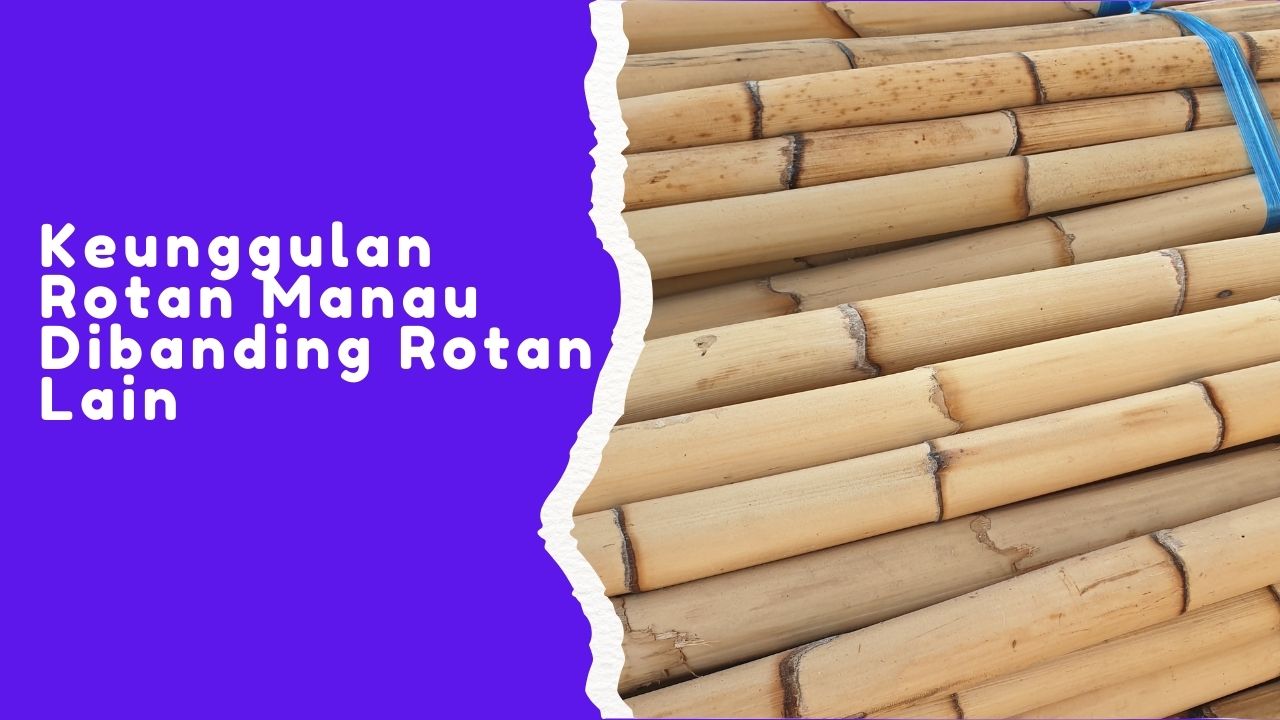
The Advantages of Manau Rattan Compared to Other Rattan
Manau rattan has long been recognized as a "premium rattan" in the rattan world, especially when compared to other types such as sega, batu, jawit, or fitrit. Its superiority lies not only in its larger trunk size, but also in its fiber quality and structural strength, which make it superior in the furniture industry. Manau rattan provides excellent stability for large-sized products, withstands pressure and loads, and remains flexible when shaped. These qualities make manau a prime choice for high-quality furniture frames, both for the local and export markets.
Furthermore, manau rattan has a smoother and more elegant natural appearance than other types, creating a premium aesthetic and feel. With its sturdy yet easy-to-work physical characteristics, manau rattan is a superior material for craftspeople who prioritize durability, beauty, and long-term value.
Extraordinary strength for the main frame of the furniture
Manau rattan is known as the strongest rattan in its class. Its large stem diameter and dense fiber structure make it ideal for sofa frames, chairs, and even large pieces of furniture that require extra stability.
Strong fiber but still flexible to shape
Despite its exceptional strength, manau rattan is easily bent using heating or steaming techniques. This combination of strength and flexibility allows craftspeople to create artistic designs without sacrificing durability.
Resistant to pressure and heavy loads
Manau has high resistance to both static and dynamic loads. Therefore, furniture Made of manau, it is not easily broken, loosened, or deformed, even after long-term use.
Premium look with elegant natural colors
The surface fibers tend to be smooth and have beautiful natural colors, ranging from cream to golden brown. This appearance gives the finished product a luxurious and natural feel, making it highly sought after in the export market.
Long service life and suitable for heavy-duty furniture
With the right finishing, manau rattan can last for decades. Its durability against heavy use makes it a top choice for hotels, resorts, restaurants, and consumers seeking durable, high-quality furniture.
Manau Rattan Processing Process
Manau rattan is not only known for its strength, but also for its lengthy processing process before it is finally ready for use as a raw material for furniture. Each stage of processing plays a crucial role in ensuring the highest quality manau rattan—strong, durable, and with a premium aesthetic appearance. From harvesting in tropical forests to sorting and finishing, this process ensures manau rattan is ready for use in frames and structural components of high-end furniture.
- The process of harvesting and cutting rattan stems.
- Exterior skin cleansing and soaking.
- Fumigation or smoking to prevent pests.
- Natural and oven drying.
- Sorting based on diameter, length, and fiber quality.
- Finishing processes such as smoothing and coating.
Before manau rattan becomes a premium material ready for use in the furniture industry, it undergoes a series of meticulous and high-standard processing steps. Each stage is designed to preserve the natural strength of the manau while enhancing its durability for long-term use. From selecting the finest stems to the final finishing process, processing manau rattan requires specialized skills and techniques passed down through generations.
The important stages in processing manau rattan include:
- Harvesting and selecting quality stems — selecting rattan with large diameter, dense fibers, and perfect physical condition.
- The process of cleaning and stripping the skin — removing the outer layer to produce a smoother, more uniform surface.
- Natural drying vs oven drying — lowering the water content so that the rattan is stable, not easily cracked, and ready to be shaped.
- Preservation to prevent mold and insects — using soaking or fumigation to make the rattan more durable.
- Steam/heat frame bending technique — utilizes the natural flexibility of the manau to create strong, precise frame curves.
- Finishing processes: polishing, staining, and anti-fungal coating — enhance the appearance while providing additional protection.
Types of Furniture That Are Suitable for Using Manau Rattan
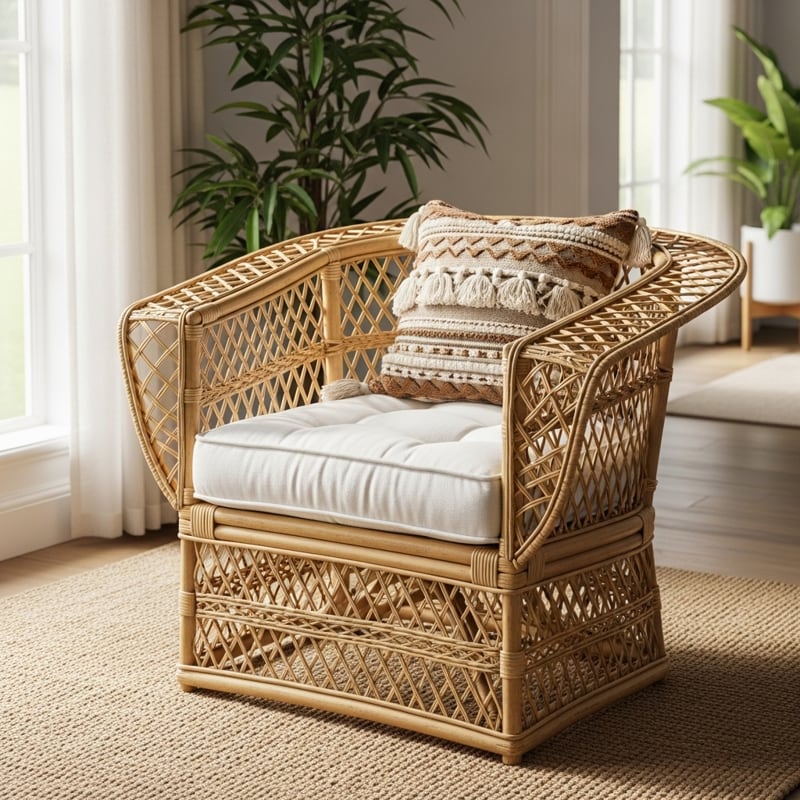
With its high strength and flexibility, manau rattan is a superior choice for various types of furniture that require a sturdy structure and maximum durability. Not only does it strengthen the frame, but the elegant visual character of manau also adds a touch of luxury to every design. This combination of performance and aesthetics is what makes manau rattan highly sought after by craftsmen, interior designers, and those in the hospitality industry. Manau rattan furniture is generally used in products that require a strong frame, intense use, and high aesthetic value. From chairs to room decorations, manau is able to deliver premium quality that is difficult to match with other types of rattan. Natural manau rattan.
Manau rattan furniture generally falls into the product category, requiring a strong structure and premium appearance. Due to its large stem diameter and exceptionally sturdy nature, manau rattan is widely used as the primary material for large furniture frames and furnishings requiring extra durability. Furthermore, its natural and elegant visual character makes manau rattan ideal for luxurious interiors that still feel warm and natural. Its applications are also extensive—from household furniture and custom interior products to commercial applications such as hotels, resorts, and cafes, which prioritize a combination of aesthetics and long-term durability.
Popular Designs Based on Manau Rattan
Manau rattan not only excels in strength but also offers design flexibility, making it a favorite choice for interior designers and premium furniture craftsmen. With its large stem diameter and elegant natural appearance, manau imparts a strong character to every product that utilizes it. It's no wonder that various modern and traditional design styles use manau rattan as a key element—from warm rustic looks to contemporary concepts that emphasize bold, minimalist lines. The beauty of manau rattan's natural texture makes it easily adaptable to various interior trends, while also providing a luxurious yet organic touch to every piece. Natural manau rattan.
Gaya natural rustic
Manau rattan offers a warm, natural look and strong texture—perfect for rustic styles that emphasize natural elements. Furniture made with large-diameter manau rattan creates a sturdy yet organic feel.
Coastal / nautical style
With its bright natural colors and soft character, manau rattan is a perfect match for coastal style. Combined with white, navy blue, and beach-themed decor, manau creates a relaxed, beach-resort-like atmosphere.
Japandi minimalist
Japandi design emphasizes simplicity and clean lines. Smooth, sleek manau rattan is perfect for minimalist chairs, shelves, and headboards with a calming, natural feel.
Bohemian premium
The premium boho style utilizes woven patterns and organic shapes. Manau offers strength and aesthetics that make its furniture look artistic yet classy.
Combination of manau + solid wood for a modern luxury look
The combination of strong manau wood and solid wood like teak or mahogany creates luxurious and modern furniture. This combination is popular in lounge chairs, premium tables, and even hotel and resort decor.
Durability and Quality of Manau Rattan
Manau rattan is known as one of the strongest and most durable rattan species in the world, making it a top choice for premium-class furniture. Its large stem structure and dense natural fibers provide high resistance to pressure and long-term use. With the right processing—from drying, curing, to finishing—manau rattan can maintain its quality for years without easily cracking or changing shape. This characteristic makes it a favorite material for heavy-duty furniture, especially in the hospitality sector such as hotels and resorts that require both strength and aesthetics. Natural manau rattan.
Resistance to daily loads and intensive use
Manau rattan has a very dense and strong fiber structure, allowing it to withstand heavy loads and daily use without easily warping or breaking. This is why it is often used as the main frame for chairs, sofas, and even commercial furniture that receives intensive use.
Influence of humidity and correct storage methods
Despite its strength, manau rattan still requires protection from excessive moisture. Ideal storage is in a dry, well-ventilated area. Avoiding direct contact with water or damp floors will help prevent mold, discoloration, and maintain the fiber's strength.
Comparison with wood and other materials in terms of durability
Compared to certain types of wood, manau rattan is more flexible without sacrificing strength. Its elastic properties make it less prone to cracking than solid wood. Compared to other types of rattan, manau rattan offers far superior structural strength, making it more suitable for heavy-duty frames and long-term use.
The advantages of manau rattan for indoor and semi-outdoor use
Manau rattan is ideal for indoor and semi-outdoor spaces protected from direct rain. Its strong texture and precise finishing make it durable in areas like covered terraces, balconies, or hotel lounges without quickly breaking or warping.
Challenges & Disadvantages of Manau Rattan
Although manau rattan is known as one of the strongest and most premium rattan species, this material still poses several challenges in use and maintenance. It's important to understand these shortcomings so that both consumers and furniture manufacturers can maximize product quality and prevent premature damage. By understanding the material's limitations, manau rattan can be more appropriately processed and cared for, ensuring its optimal performance over the long term.
The price is relatively more expensive than other types of rattan.
Manau rattan is considered premium due to its superior quality, large diameter, and more complex processing process. This makes it more expensive than jawit, sega, or other more readily available rattan varieties.
The machining process is more difficult due to the large diameter.
Batang manau yang tebal dan keras membutuhkan teknik khusus dalam pemotongan, pembengkokan, dan pembentukan rangka. Pengrajin memerlukan alat yang lebih kuat dan waktu pengerjaan yang lebih lama, sehingga biaya produksi pun meningkat.
Sensitive to excess water without proper finishing.
Despite its strength, manau rattan is still made from organic materials that easily absorb moisture. Without a quality coating or varnish, this material can experience discoloration, weathering, and even mold if exposed to water too often or placed in damp areas.
Supply is sometimes limited in certain markets.
Manau rattan doesn't grow in all areas and takes a long time to reach the ideal size. High global demand sometimes limits availability in some areas, forcing furniture manufacturers to compete for the best raw materials.
Tips for Choosing Quality Manau Rattan Furniture
Choosing Manau rattan furniture shouldn't be done carelessly, considering that this material is considered a premium material and is often used for high-end products. To ensure a sound and long-lasting investment, there are several important factors to consider when selecting Manau rattan furniture. From examining the frame and neatness of the finish to the quality of the weave and construction, all play a significant role in determining the product's durability and aesthetics. By understanding the characteristics of good Manau rattan furniture, consumers can obtain products that are not only strong and elegant, but also safe for long-term use.
Check the straightness of the manau stem.
Ensure the manau rods used in the frame are not excessively curved. Straight rods indicate good material quality and proper processing.
Make sure the surface is smooth and not cracked.
Premium manau rattan has a smooth surface, neat grain, and is free of cracks. Any cracks or splits can affect the strength and lifespan of the furniture.
The frame must be solid, not wobbly.
Try shaking the product slightly to check its sturdiness. Quality Manau rattan furniture has a stable structure and strong joints.
The finish is neat and not sticky.
Check the finishing layer to make sure it's even, doesn't bunch up, and isn't sticky to the touch. A good finish protects the rattan from mold and moisture, and provides a premium look.
Adjust the design to the room concept.
Manau rattan is available in a variety of styles—natural rustic, coastal, Japandi, and modern luxury. Choose a style that matches your interior theme for a more harmonious look.
Conclusion
Manau rattan is a premium material known for its strength, durability, and natural aesthetics. The combination of sturdy fibers, elegant appearance, and design flexibility makes it a leading choice in the modern furniture industry. With its long-lasting durability, manau rattan is ideal for high-quality furniture, both for modern homes and businesses such as hotels, resorts, cafes, and professional interior projects. Investing in manau rattan furniture not only offers aesthetic value but also offers functional benefits and durability that are difficult to match with other materials.