



Blog
Cirebon, the Rattan Craft Center in Indonesia

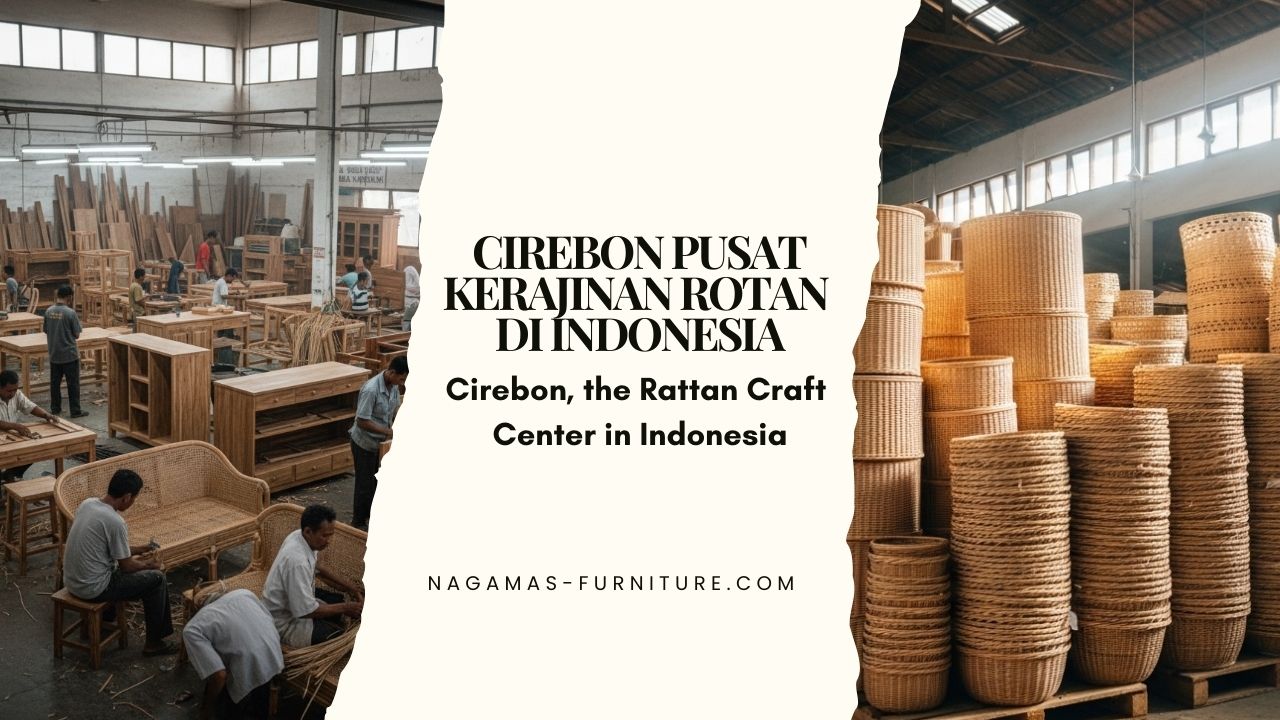
Cirebon, Pusat Kerajinan Rotan di Indonesia
The rattan industry is one of Indonesia's leading craft sectors, supported by its wealth of natural resources and the skills of artisans passed down through generations. Indonesia is also known as the world's largest rattan producer, making rattan products a highly competitive commodity in both domestic and international markets. Rattan is not only used as a raw material for furniture, but can also be made into various decorative products, baskets, and artistic household accessories. Among the various rattan producing and crafting regions, Cirebon holds the position of the largest rattan craft center in Indonesia. This region has long been renowned for its complete rattan industry ecosystem, ranging from small-scale artisans and medium-scale factories to large exporting companies. The expertise of the Cirebon people in weaving, shaping, and producing rattan furniture has been passed down from generation to generation, making Cirebon renowned as a center for high-quality rattan production.
The economic contribution of Cirebon's rattan industry is significant. Rattan products from this region have penetrated the global market and are exported to countries such as the United States, Japan, Europe, and the Middle East. These exports not only increase the country's foreign exchange but also create jobs for thousands of local artisans and workers. With its vast potential and growing global demand for natural and environmentally friendly products, Cirebon's rattan industry offers increasingly promising development opportunities.
A Brief History of Rattan Crafts in Cirebon
The rattan industry in Cirebon has a long history rooted in local traditions of utilizing rattan for everyday needs. Initially, rattan was used to make simple household items such as baskets, storage containers, and other woven containers. Over time, these skills evolved into hereditary expertise, creating a strong community of artisans with a distinct identity.
The roots of the modern rattan industry in Cirebon began to take hold in the mid-20th century, when demand for rattan products increased in the national market and international buyers began to arrive. Local small and medium-sized enterprises (SMEs) began producing rattan furniture and decorations in larger quantities. This gave rise to craft centers like Galmantro, now renowned as Indonesia's largest rattan artisan center.
Over time, Cirebon's rattan industry has transformed from a small, home-based business into an export-scale industry. Many MSMEs have developed into rattan furniture companies employing hundreds of employees and capable of mass production. Support from a network of material suppliers, showrooms, and strategic shipping facilities has propelled Cirebon into a vital hub in the global rattan industry.
Cirebon's rich local culture also significantly influences the design of rattan products. Traditional artistic elements such as carvings, geometric motifs, and decorative styles typical of the Pantura coast are often incorporated into rattan products, creating unique characteristics and high aesthetic value. This combination of traditional weaving techniques and modern touches is what makes Cirebon rattan products increasingly popular in the international market.
Why is Cirebon the Center for Rattan Crafts?
Cirebon is not only renowned as a cultural city and coastal trading center, but also as an icon of Indonesia's rattan industry. This status did not emerge suddenly, but rather the result of a combination of mutually supportive natural, social, and economic factors. From the availability of raw materials, the craftsmanship passed down through generations, to a comprehensive industrial ecosystem, Cirebon has a strong foundation that gives it a competitive edge over other regions. This condition has made Cirebon a major center for rattan crafts, both for the local market and for global exports.
1. Ketersediaan Bahan Baku
Cirebon memiliki akses yang sangat baik terhadap pasokan rotan dari berbagai daerah penghasil utama di Indonesia, seperti Kalimantan, Sulawesi, dan Sumatera. Meskipun bukan daerah penghasil rotan langsung, posisi Cirebon sebagai kota pelabuhan dan pusat perdagangan membuat distribusi bahan baku menjadi lebih cepat dan efisien. Hal ini memudahkan industri lokal untuk memperoleh rotan dengan kualitas beragam sesuai kebutuhan produksi, mulai dari rotan manau, rotan sega, hingga rotan kombinasi untuk furnitur modern.
2. Skilled Workforce
One of the greatest strengths of Cirebon's rattan industry is the presence of a skilled workforce whose skills are passed down from generation to generation. Craftsmen in areas like Tegalwangi and Galmantro possess weaving, processing, and finishing techniques they have mastered since childhood. This manual craftsmanship is the hallmark of Cirebon rattan products—neat details, strong construction, and high-quality designs that are difficult to replicate through mass-produced machinery.
3. Complete Industrial Ecosystem
Cirebon boasts a comprehensive rattan industry ecosystem. The area is home to hundreds of factories and production workshops, large showrooms serving both domestic and international buyers, and suppliers of raw materials and supporting accessories such as foam, fabric, paint, and metal frames. This business infrastructure facilitates efficient production processes for producers. Support from the local government also strengthens the industry, through MSME development programs, training, and export facilitation.
4. Transportation and Logistics Access
Cirebon's strategic location is a crucial factor in the success of its rattan industry. The city sits on Java's main transportation routes and is relatively close to major ports like Tanjung Priok in Jakarta. Easy land transportation access also allows for faster and more cost-effective product delivery to various regions and countries. This makes Cirebon highly competitive in meeting global market demand.
Various Rattan Products from Cirebon
As Indonesia's largest rattan craft center, Cirebon is renowned for producing a wide variety of high-quality rattan products in diverse designs. The craftsmen's creativity and ability to blend traditional and modern styles make Cirebon's rattan products competitive in both local and international markets. From furniture to home decor, each product offers unique characteristics, making Cirebon a prime destination for buyers seeking high-quality, aesthetically pleasing rattan.
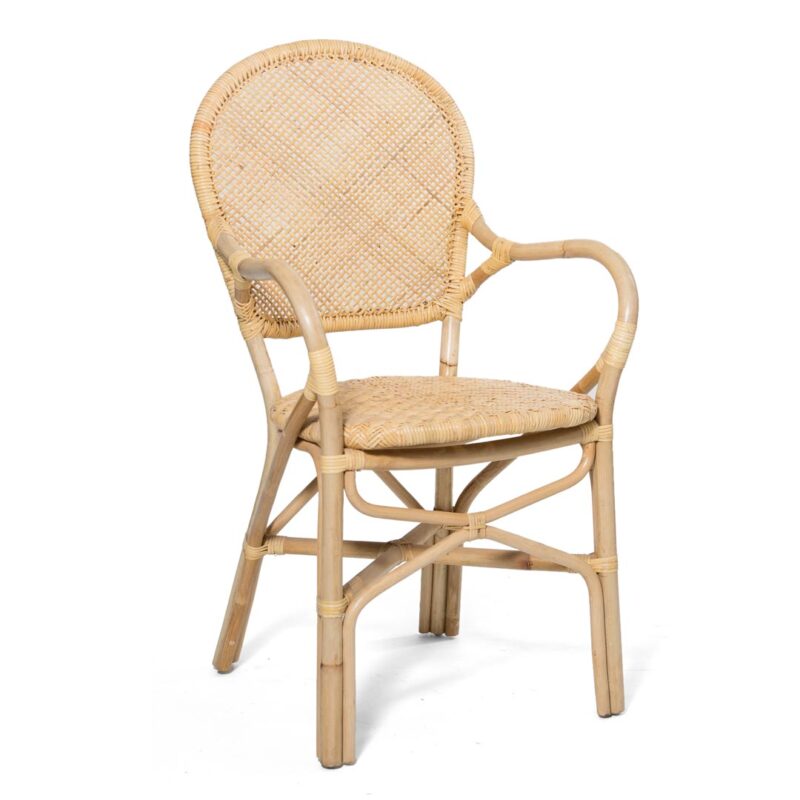
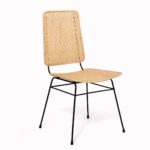
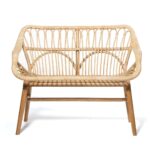
1. Furniture: chairs, tables, shelves, benches, rattan sofas, hanging chairs
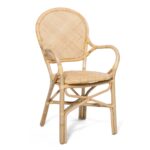
Furniture is the most dominant product category produced by Cirebon rattan artisans. These products range from lounge chairs and coffee tables, storage shelves, benches, and sofas made from natural rattan and a combination of both. Hanging chairs are also a popular choice for export. Rattan furniture is renowned for its lightness, strength, and natural feel, making it suitable for a variety of interior styles.
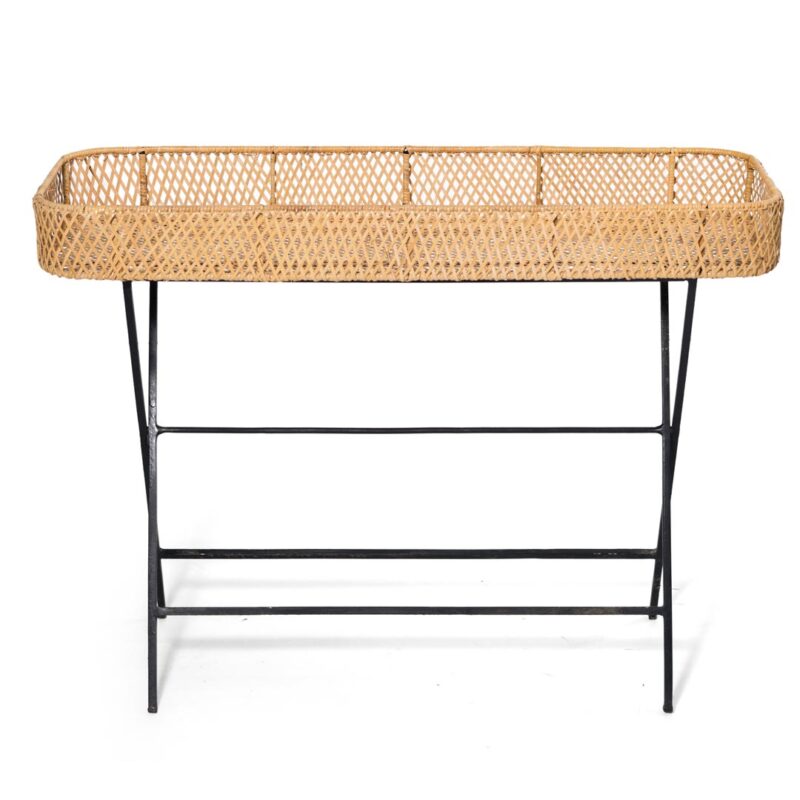
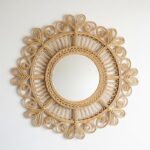
2. Home Décor: baskets, trays, storage boxes, lamp shades, decorative wickerwork
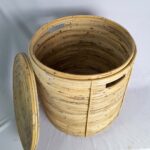
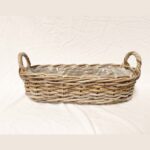
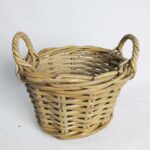
Apart from furniture, Cirebon also produces various home decoration items made with teknik anyaman Details. Products such as laundry baskets, multipurpose baskets, trays, storage boxes, and lampshades are popular with consumers due to their aesthetic appeal and functionality. These products are typically produced in various sizes and colors, tailored to global market demand.
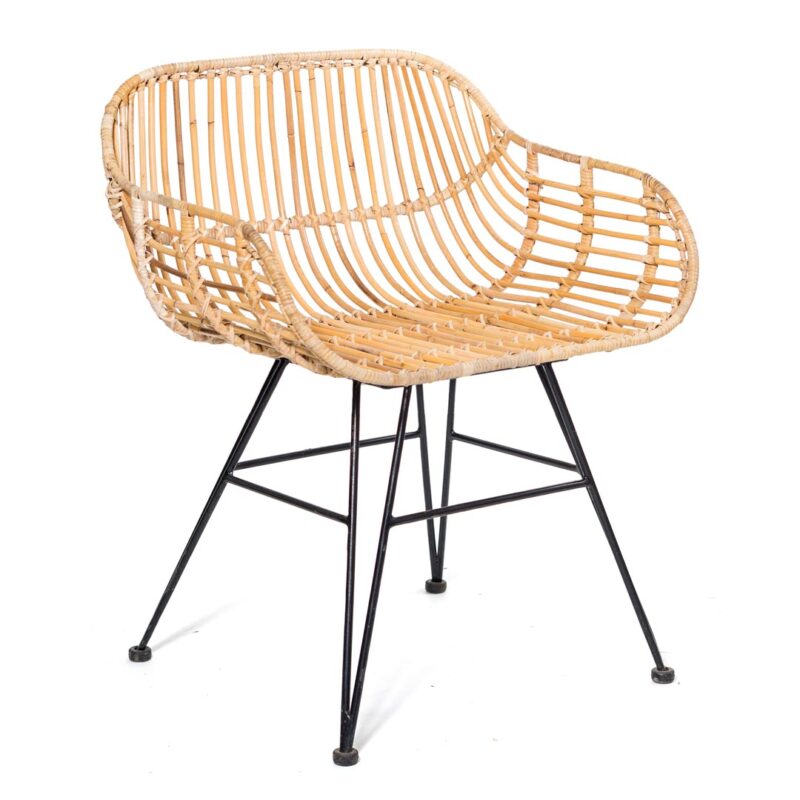
3. Combination Products of Rattan & Other Materials (wood, iron, synthetic)
To keep up with modern design trends, Cirebon craftspeople often combine rattan with other materials such as wood, iron, and PE-based synthetic rattan. This combination produces stronger, more modern products suitable for both indoor and outdoor use. For example, iron frames are combined with woven rattan, or natural rattan is used in decorative parts of wooden-bodied furniture.
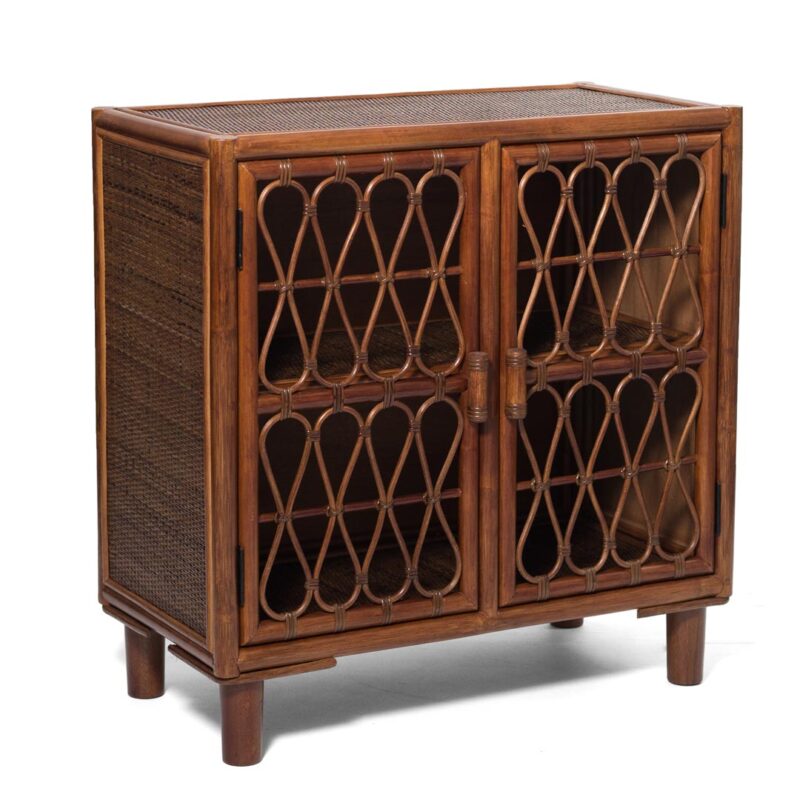
4. Design Trends: minimalist, bohemian, coastal, to rustic modern
Cirebon rattan product designs continue to evolve in line with market needs. Minimalist and modern styles are popular in the European market, while bohemian, coastal, and rustic styles are popular in the Americas and Asia Pacific. Cirebon artisans are able to adapt weaving motifs, shapes, and finishing colors to suit global trends, making their products acceptable in various international market segments.
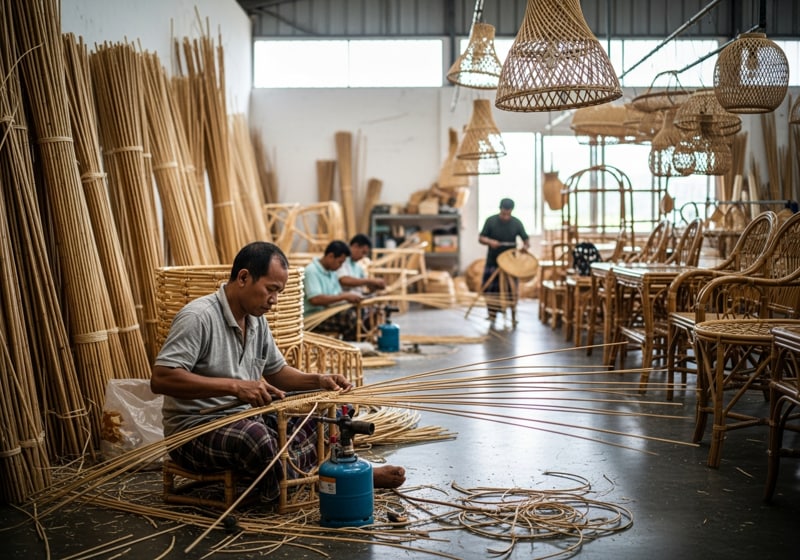
Rattan Craft Production Process in Cirebon
The rattan craft production process in Cirebon is a blend of traditional skills and modern techniques. Each product undergoes a lengthy process, from raw material processing to detailed finishing. With inherited craftsmanship and quality standards for the export market, Cirebon is able to produce strong, aesthetically pleasing, and high-value rattan products.
- Selection & Processing of Raw Materials
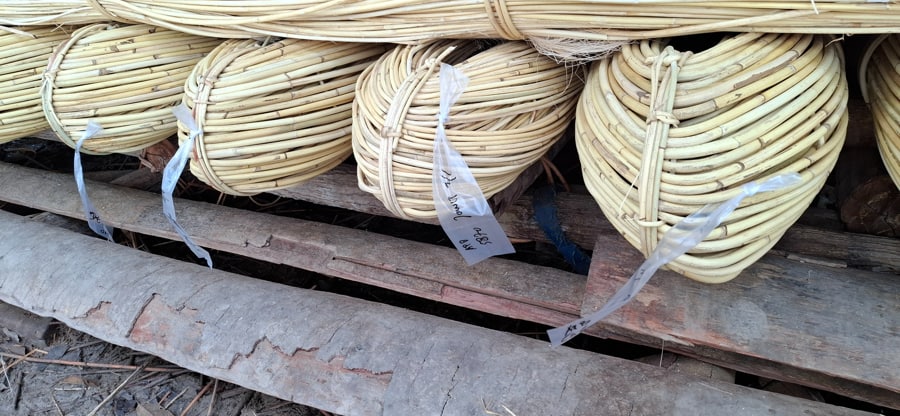
The first stage begins with selecting quality rattan suitable for the type of product to be made. The rattan is then cleaned, sorted, and cut to the required production size. - Drying and Bleaching Process
After sorting, the rattan is dried to reduce its moisture content, making it stronger and less susceptible to mold. Some rattan varieties also undergo a bleaching process to achieve a brighter, more uniform color. - Steam Bending of Rattan
The prepared rattan is then heated using hot steam. This process makes the rattan more pliable, making it easier to shape into chair frames, tables, shelves, and other products without damaging the fibers. - Weaving Process by Skilled Craftsmen
This section is the core of rattan craftsmanship. Artisans weave rattan using specific techniques, ranging from simple weaves to more complex patterns. The craftsmanship of Cirebon artisans is a key value that distinguishes their products in the global market. - Finishing: Coloring, Coating, Varnishing, and Quality Control
Once the shape and weaving are complete, the product undergoes a finishing process to strengthen and enhance its appearance. Dyeing, coating, and varnishing help protect the rattan from moisture and mold. Finally, each product undergoes quality control before being shipped to local and export markets.
Cirebon Rattan Export Contribution
Cirebon is not only known as a center for domestic rattan crafts but also plays a vital role in the international rattan trade. Rattan products from this city have reached numerous countries and become a leading commodity, strengthening Indonesia's export sector. Through high-quality weaving, designs that follow global trends, and large production capacity, Cirebon's rattan industry is a driving force for the regional economy and a major contributor to meeting global market demand.
Negara tujuan utama: Eropa, Amerika, Asia, Timur Tengah
Rattan products from Cirebon have penetrated various international markets, especially European countries such as Germany, the Netherlands, France, and Italy, which are known to have high demand for rattan products. home décor and natural furniture. Furthermore, the United States is one of the largest buyers of premium rattan products. Asian markets like Japan and South Korea also prioritize the quality and minimalist designs of Cirebon artisans. Furthermore, Middle Eastern regions like the United Arab Emirates and Qatar are quite fond of modern and luxurious rattan furniture.
The product with the highest demand in the global market
Some of the most popular products include rattan furniture such as chairs, tables, shelves, and hanging chairs. In addition, the category home décor Products such as laundry baskets, storage boxes, trays, and lamp shades also continue to be popular due to their lightness, aesthetics, and eco-friendliness. Products combining rattan with wood or iron, which follow modern design trends, are available for the global market.
Economic impact on local communities and MSMEs
Rattan exports significantly contribute to the economic growth of the Cirebon community. Thousands of artisans, factory workers, and micro, small, and medium enterprises (MSMEs) rely on this industry as their primary source of income. Increasing export demand drives new job creation, small business growth, and the development of traditional weaving skills. Furthermore, the economic cycle from raw materials through production to distribution creates a strong and sustainable industrial ecosystem in the Cirebon region.
Challenges of Cirebon Rattan Industry
Although Cirebon is known as the largest rattan craft center in Indonesia, this industry faces various challenges that affect its sustainability and competitiveness. Changes in the global market, raw material availability, and competition from alternative products are factors that artisans and businesses must address. Understanding these challenges is crucial for the Cirebon rattan industry to continue growing and maintain its position in the international market.
- Fluctuations in Raw Materials
The availability of natural rattan is heavily influenced by the season, harvest location, and distribution costs from producing regions such as Kalimantan and Sulawesi. This situation causes raw material prices to fluctuate frequently, impacting production costs in the rattan industry in Cirebon. - Competition between Imported Products & Synthetic Rattan
The influx of cheaper imports and the popularity of weather-resistant synthetic rattan pose significant challenges. Cirebon artisans must be able to highlight the aesthetic value and unique characteristics of natural rattan to remain competitive. - Design Adaptation to Global Trends
The global market moves rapidly to follow interior trends such as minimalism, bohemian, and coastal styles. Craftspeople need to continually innovate and adapt to international market preferences to keep their products relevant. - The Need for Technological Modernization without Losing Handmade Characteristics
To increase production capacity and quality, modernization of tools and processes is necessary. However, the core character of Cirebon rattan products lies in their handmade touch. The challenge is finding a balance between modern efficiency and the uniqueness of handicraftsmanship.
Future Opportunities for Cirebon's Rattan Industry
Cirebon's rattan industry continues to show significant potential amid growing global interest in natural and sustainable products. Combining decades of artisan skills and the global trend toward a return to natural materials, Cirebon's rattan craftsmanship holds a strong potential for growth. Design innovation, market expansion, and strengthening its brand as a national rattan hub offer Cirebon a strategic opportunity to strengthen its position in both local and international markets.
Global demand for natural & eco-friendly products
Global consumer awareness of sustainability is growing, leading to continued demand for natural products such as rattan. The international market now prefers eco-friendly furniture and decor, opening up significant opportunities for Cirebon rattan products to expand their export reach.
Export potential through global digital/e-commerce platforms
The development of international marketplaces like Amazon, Etsy, Alibaba, and global B2B platforms has made it easier for Cirebon rattan producers to reach buyers in various countries. MSMEs can now market their products without relying on large distributors, thus opening up export opportunities.
Design innovation & material combination
Combining rattan with wood, iron, bamboo, or synthetic materials opens up a wide variety of new products. Modern design trends—from minimalism to Japandi to boho—can inspire manufacturers to create rattan products that resonate with global market preferences.
Development of industrial tourism
Cirebon has the potential to become an educational and creative tourism destination, offering workshops, galleries, and rattan-making demonstrations. Tourists can observe the production process firsthand and purchase products directly, creating additional economic opportunities for artisans and MSMEs.