



Blog
Tips for Making Rattan Furniture Last Longer Outdoors

Tips for Making Rattan Furniture Last Longer Outdoors
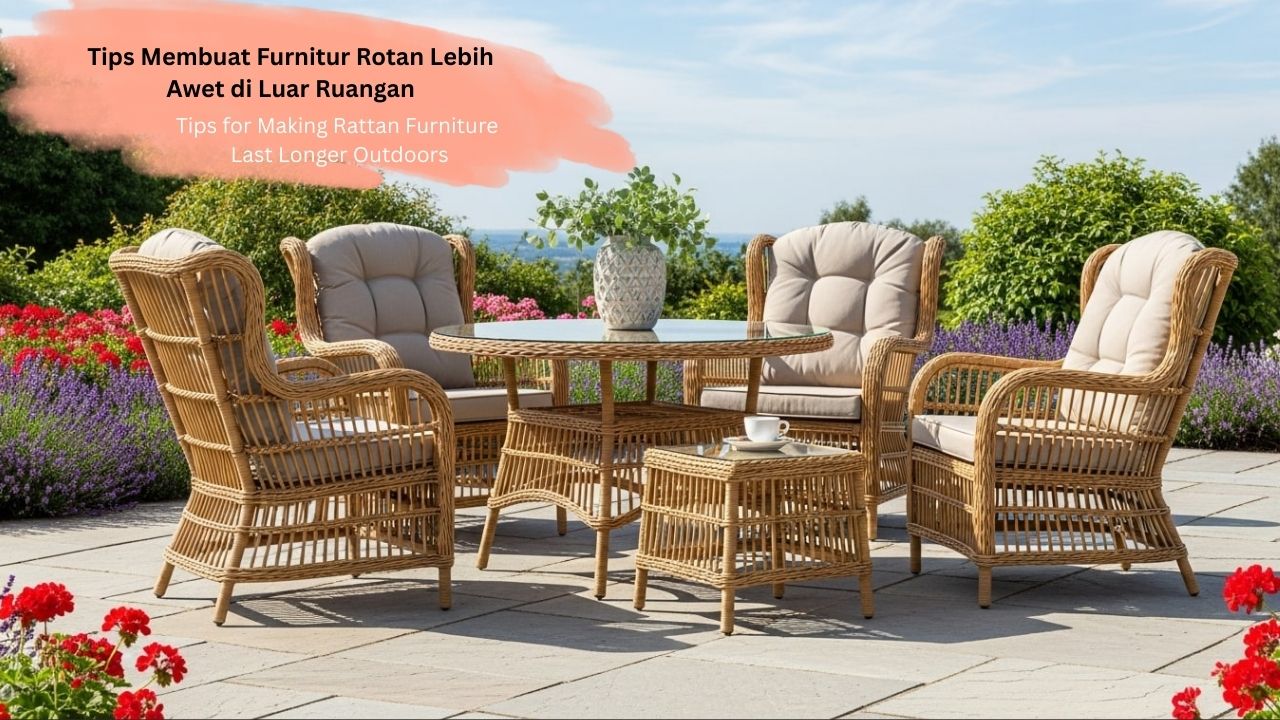
Rattan furniture is increasingly popular for outdoor use in areas such as gardens, terraces, cafes, and resorts. Rattan's natural, warm, and aesthetic appeal makes it a favorite choice for creating a relaxed yet elegant atmosphere in outdoor spaces. Furthermore, eco-friendly design trends are driving the use of natural materials like rattan in the furniture industry. However, using rattan outdoors presents its own challenges. Exposure to direct sunlight, rain, and high humidity levels can accelerate the deterioration of rattan if not properly processed and cared for. Problems such as mold, weathering, discoloration, and even a decrease in structural strength are common with outdoor rattan furniture. Rattan furniture is more durable.
Therefore, this article aims to provide practical guidance for craftspeople, manufacturers, and rattan furniture owners on how to create and maintain rattan furniture to ensure it lasts longer and is more resistant to outdoor use. With proper material selection, production processes, and care, rattan furniture can last a long time without losing its aesthetic value and function.
Choosing the Right Type of Rattan for Outdoors
The choice of rattan is a major factor in determining the durability of outdoor rattan furniture. Not all rattan has the same characteristics, especially when exposed to hot sun, rain, and high humidity.
Natural Rattan vs Synthetic Rattan
Natural rattan comes from the rattan plant and boasts a natural appearance and high aesthetic value. However, natural rattan requires proper processing and maintenance to withstand outdoor weather. Without proper protection, natural rattan is more susceptible to mold, weathering, and discoloration. Meanwhile, synthetic rattan is made from plastic or resin designed to resemble real rattan. This material is generally more resistant to water and UV rays, making it relatively safer for outdoor use. However, synthetic rattan is often considered less natural and exclusive than real rattan.
A Stronger Type of Natural Rattan for Outdoors
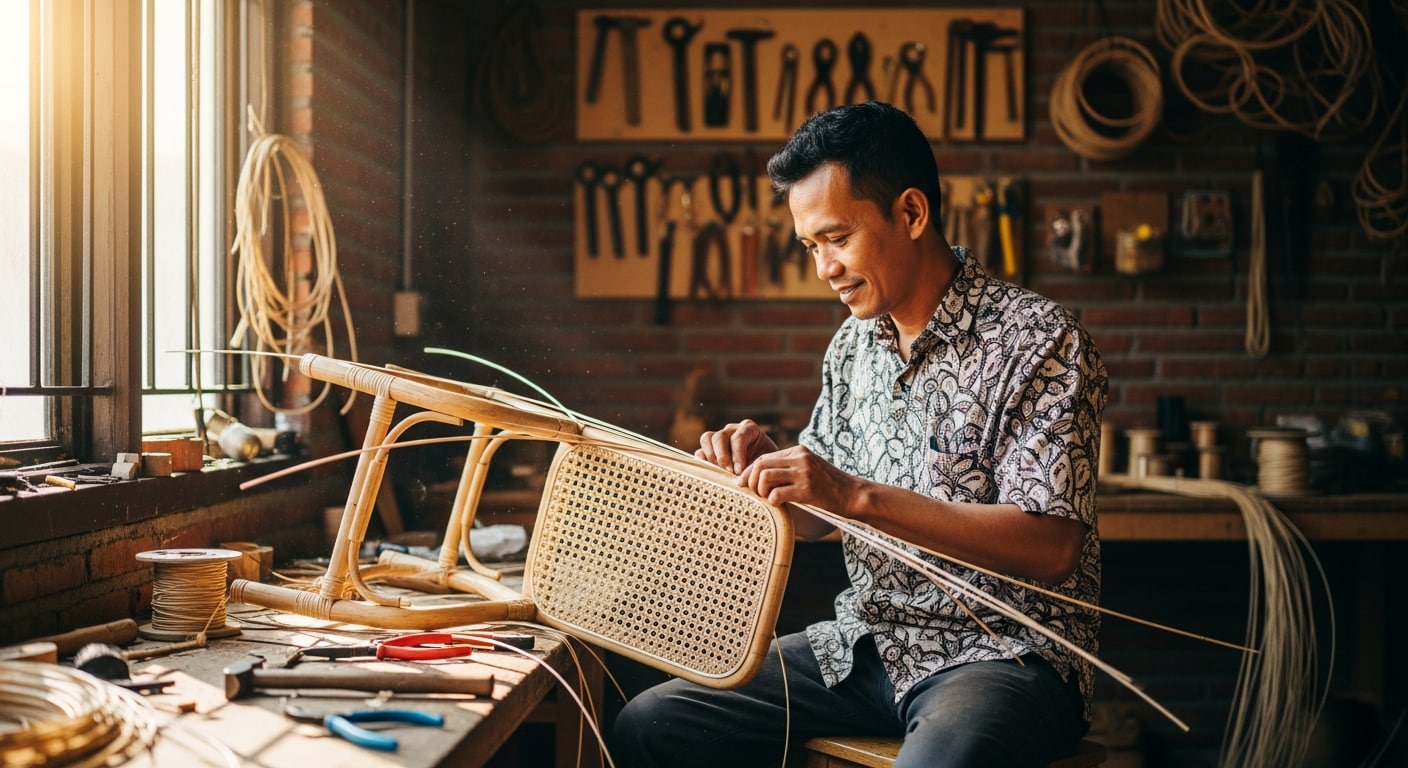
For outdoor furniture made from natural rattan, it's recommended to choose a type with a large diameter, dense fibers, and high strength. Some relatively strong rattan varieties for outdoor use include manau rattan, semambu rattan, and jawit rattan, which have undergone a thorough preservation process. These rattan varieties are known to be more resistant to pressure and less prone to breaking when used as the frame or main weave.
The Importance of Aged Rattan and Fiber Quality
Rattan from mature plants has denser fibers and a stronger structure than young rattan. Characteristics of good-quality rattan include a firm yet flexible texture, even fiber color, and minimal cracks, holes, or natural defects. Using low-quality rattan will cause furniture to deteriorate more quickly, even with good design and finishing.
Common Mistakes in Selecting Rattan
One common mistake is using rattan intended for indoor furniture for outdoor areas. Indoor rattan generally doesn't undergo adequate preservation and finishing to withstand extreme weather. As a result, the furniture easily becomes moldy, brittle, and loses its strength quickly. By choosing the right type of rattan from the start, you can minimize the risk of damage to your outdoor furniture, while extending its lifespan and maintaining its long-term appearance.
Raw Material Processing Process that Determines Durability
The durability of outdoor rattan furniture is determined not only by design and finishing, but also by the initial processing of the raw materials. Properly processed rattan will be more resistant to weather, mold, and pests.
Drying Rattan to Ideal Water Content
The drying stage aims to reduce the moisture content in the rattan to prevent mold or warping during use. Rattan with a high moisture content tends to absorb moisture from the environment and become a breeding ground for mold. Drying can be done naturally in the sun or using a kiln dryer, until the rattan reaches the ideal moisture content for furniture production. This process must be carried out evenly to prevent cracking or splitting.
Anti-fungal and Anti-insect Preservation Process
Once dry, rattan requires preservation to protect it from mold, termites, and other destructive insects. Preservation is usually achieved by soaking or spraying with a special preservative. This step is especially important for outdoor rattan furniture because the outdoor environment has higher humidity levels and can accelerate material deterioration.
The Importance of Rattan Sorting and Cleaning
Before entering the production stage, rattan must be thoroughly sorted and cleaned. Sorting aims to separate rattan based on size, quality, and flexibility, as well as remove any defects, cracks, or holes. Cleaning helps remove any remaining dirt, outer skin, and microorganisms that can cause future rot. Clean, well-sorted rattan is easier to process and produces stronger furniture.
The Effect of Raw Material Quality on Furniture Service Life
High-quality rattan raw materials will result in furniture that is more durable and stable over the long term. Conversely, using lower-quality rattan can accelerate problems such as loose weaves, brittle frames, and surfaces that deteriorate quickly even after finishing. Therefore, investing in proper raw material processing is crucial for extending the lifespan of outdoor rattan furniture.
Outdoor Rattan Furniture Construction Techniques
In addition to the quality of the raw materials, construction techniques play a crucial role in determining the strength and durability of rattan furniture for outdoor use. Proper construction will ensure the furniture remains stable, resistant to wobble, and able to withstand changing weather conditions.
Sturdy and Stable Frame Design
The frame is the main supporting structure for rattan furniture. For outdoor use, the frame design must be more robust than for indoor furniture. The frame should have balanced support points, strong joints, and even load distribution. Reinforcement of the legs, backrest, and corners of the frame is highly recommended to prevent the furniture from cracking or breaking due to long-term use and weight.
Combination of Rattan with Other Materials
To increase strength and durability, outdoor rattan furniture is often combined with other materials such as hardwood, aluminum, or galvanized iron. Hardwood provides a natural and robust feel, while aluminum and galvanized iron are more resistant to moisture and rust. This material combination helps reduce the workload on the rattan as the primary support while extending the furniture's lifespan.
Tight and Strong Woven Technique
The rattan weave must be made tight and consistent so that it does not loosen or come apart easily. Good weaving techniques also help rattan withstand changes in temperature and humidity. Anyaman yang terlalu longgar berisiko cepat rusak, sedangkan anyaman yang terlalu kencang dapat membuat rotan mudah patah. Keseimbangan antara kerapatan dan kelenturan menjadi kunci utama pada tahap ini.
Damage-Prone Points and How to Overcome Them
Some of the most vulnerable areas of outdoor rattan furniture include the frame joints, the ends of the weave, and areas that frequently come into direct contact with the ground or water. To address these issues, joints need to be reinforced with proper bonding techniques or additional locking, the ends of the weave should be trimmed and protected with a good finish, and the bottom of the furniture should be protected or padded to prevent direct absorption of moisture from the ground. By implementing proper construction techniques, outdoor rattan furniture not only looks visually appealing but also offers optimal strength and durability for long-term use.
The Right Finish for Outdoor Rattan Furniture
Finishing is the final layer of protection that determines the durability of rattan furniture outdoors. Without proper finishing, rattan will easily absorb water, fade quickly in sunlight, and be susceptible to weathering, even if the material and construction are sound.
Types of Weather Resistant Finishing
For outdoor rattan furniture, the finish must be water and UV resistant. Some common finishes include marine varnish, polyurethane (PU), and specialized outdoor coatings. Marine varnish is known for its high elasticity and moisture resistance, making it suitable for areas with high rainfall intensity. PU finishes provide a strong surface and a more modern appearance, while outdoor coatings are specifically designed to withstand extreme weather changes.
Protective Layer Function against UV and Water
The finishing layer acts as a barrier between the rattan and the outside environment. UV protection prevents the rattan from discoloring and becoming brittle, while water protection reduces the risk of the rattan absorbing excess moisture. With a good protective layer, the rattan structure remains stable and resists expansion or contraction. Rattan Furniture Lasts Longer.
Finishing Application Techniques for Even and Long-Lasting Application
The finishing application should be done gradually and evenly. Before finishing, the rattan surface must be cleaned and ensured to be completely dry. The finish should be applied in several thin layers rather than one thick one for a stronger, more resistant finish. Each layer should be given sufficient drying time before the next is applied.
Finishing Re-Treatment Frequency
Even with high-quality finishes, outdoor rattan furniture still requires regular maintenance. Generally, the finish needs to be renewed every one to two years, depending on weather exposure and intensity of use. This re-treatment helps maintain optimal protection and extends the lifespan of rattan furniture. With the right finish and regular maintenance, outdoor rattan furniture can maintain its attractive appearance and extend its durability even in open environments.
Correct Placement and Use
In addition to materials, construction, and finishing, the placement and use of rattan furniture also significantly impact its durability. Properly placed and used rattan furniture will have a much longer lifespan, especially for outdoor use.
Furniture Position: Open vs. Semi-Outdoor
Rattan furniture will last longer if placed in a semi-outdoor area, such as a covered terrace or balcony, protected from direct rain. Continuous exposure to rain and sunlight can accelerate the deterioration of rattan, even after finishing. If furniture must be placed outdoors, ensure its design and finish are specifically designed for extreme outdoor conditions.
Use of Roofs, Canopies, or Garden Umbrellas
Using a roof, canopy, or garden umbrella is highly recommended to protect rattan furniture from direct rain and excessive UV exposure. This added protection helps preserve the color and strength of the rattan fibers, and slows the aging process of the material due to weathering.
Avoid Direct Contact with Soil and Water
Direct contact with soil or standing water is one of the main causes of rapid deterioration of rattan furniture. Moisture from the soil can penetrate the rattan, triggering mold and decay. To prevent this, use furniture feet, foot protectors, or place furniture on a dry, well-drained floor.
Daily Use Tips to Prevent Furniture from Getting Damaged Quickly
During daily use, avoid pulling or moving furniture roughly, as this can weaken the joints and weave. Regularly clean furniture of dust and dirt, and dry it immediately if it comes into contact with water. During extreme weather or prolonged rainy seasons, furniture should be moved to a more protected area or covered with a special outdoor furniture cover. With proper placement and use, outdoor rattan furniture can remain functional, safe, and maintain its aesthetic appearance for a longer period.
Routine Maintenance of Outdoor Rattan Furniture
Regular maintenance is key to maintaining the durability and comfort of outdoor rattan furniture. Even though the furniture is made from quality materials and has a weather-resistant finish, proper care is still necessary to prevent damage early.
Regular Cleaning of Dust and Mold
Outdoor rattan furniture should be cleaned regularly to remove dust, dirt, and potential mold. Cleaning can be done with a dry cloth or a soft brush to reach between the weaves. If there are any minor stains or mold, use a damp cloth with mild soap and dry immediately. Avoid using harsh chemicals that can damage the finish.
How to Store Furniture During the Rainy Season
During the rainy season or when furniture is rarely used, proper storage is highly recommended. Furniture should be moved to a dry, well-ventilated area. If this isn't possible, use a waterproof, yet air-permeable outdoor furniture cover to prevent moisture from trapping and causing mold.
Signs That Furniture Needs Repair or Refinishing
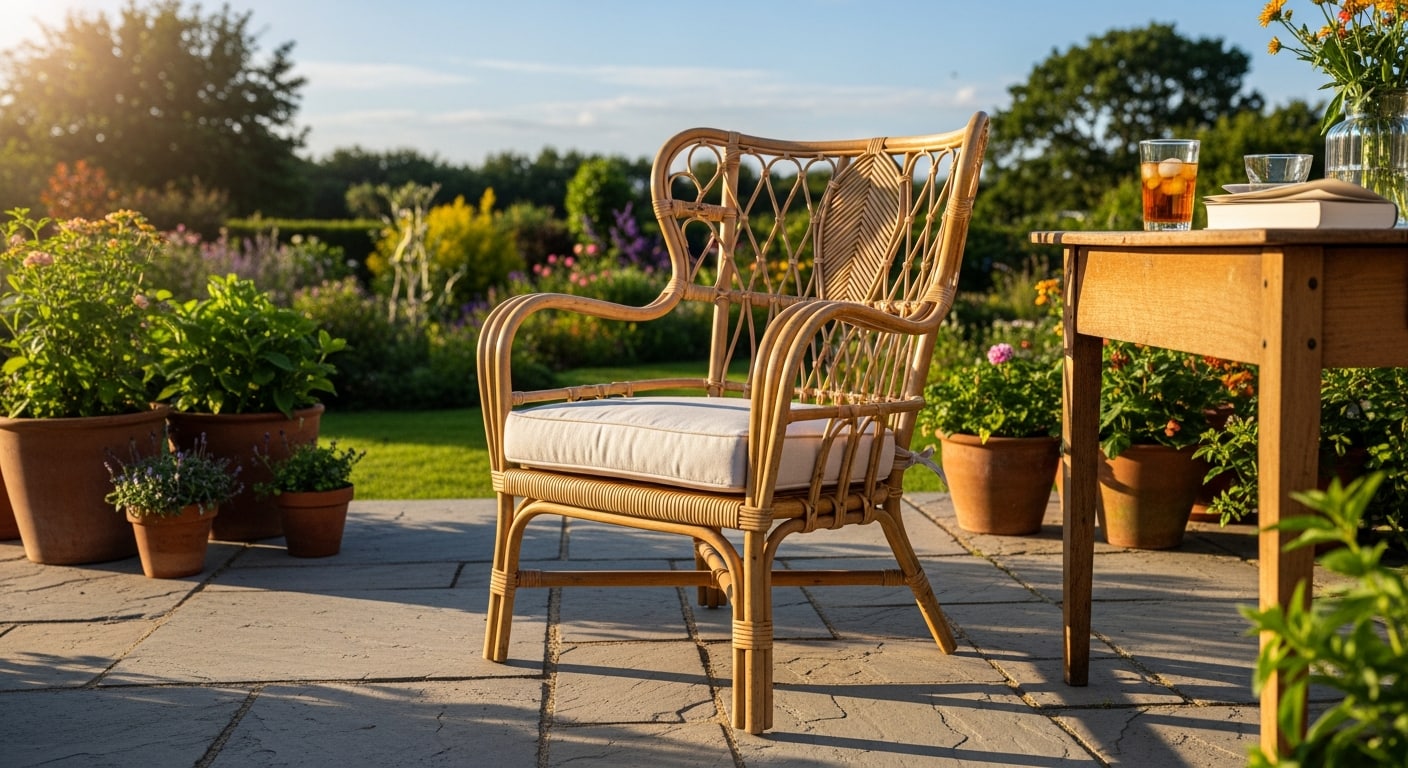
Some signs that rattan furniture needs immediate repair or refinishing include cracks in the rattan, loose weave, faded colors, or a rough surface. Early intervention can prevent further damage and extend the furniture's lifespan. Regular light refinishing also helps maintain weather protection.
Common Maintenance Mistakes
Common mistakes in caring for outdoor rattan furniture include leaving it wet for too long, cleaning with too much water, and storing it in enclosed areas without ventilation. Furthermore, using abrasive cleaners or harsh chemicals can damage the finish and accelerate the deterioration of the rattan. With proper routine care, outdoor rattan furniture can remain attractive, strong, and comfortable for long-term use, even in outdoor environments.
Common Mistakes That Cause Rattan Furniture to Break Quickly
Although rattan furniture has an attractive appearance and high aesthetic value, mistakes in material selection, production processes, and maintenance can cause it to deteriorate quickly, especially for outdoor use. Here are some common mistakes.
Finish Too Thin or Not Suitable for Outdoors
One of the most common mistakes is using a finish that's too thin or not specifically designed for outdoor conditions. Finishes that aren't water- and UV-resistant will peel quickly, making the rattan susceptible to moisture absorption and decay. For outdoor furniture, the finish should truly serve as a protective layer, not just a cosmetic enhancement.
Use of Low Quality Rattan
Using low-quality or young rattan is often done to reduce production costs. However, this type of rattan has more brittle fibers and is easily damaged by weather. As a result, furniture is less durable and requires frequent repairs. Saving on raw materials can actually increase maintenance costs later on.
Aesthetically Designed but Structurally Weak
Rattan furniture with designs that emphasize aesthetics without considering structural strength also runs the risk of rapid damage. A flimsy frame, weak joints, or disproportionate weave can reduce the furniture's durability, especially when used outdoors under harsher loads and environmental conditions.
Neglecting Aftercare
Another common mistake is neglecting post-use care. Furniture left dirty, damp, or exposed to extreme weather without protection will deteriorate more quickly. However, simple, regular maintenance can significantly extend the lifespan of furniture. By understanding and avoiding these mistakes, outdoor rattan furniture can be used longer, remain structurally sound, and maintain its long-term aesthetic value.
Conclusion
Outdoor rattan furniture can be durable if it uses quality raw materials, undergoes proper processing and construction, and is supported by consistent maintenance. These three aspects are interrelated and are key to maintaining the strength and appearance of outdoor rattan furniture. Investing in quality rattan raw materials and a finish suitable for outdoor conditions is not an additional expense, but rather a strategic step to extend the furniture's lifespan. With optimal protection, the risk of weather damage can be minimized and the need for repairs can be minimized. Rattan Furniture Lasts Longer.
With its natural aesthetics, design flexibility, and eco-friendliness, rattan remains a relevant and attractive material choice for outdoor furniture. When properly designed and maintained, outdoor rattan furniture can provide comfort, beauty, and long-term functionality.