


Blog
Rattan Products, Beauty, Function and Aesthetic Value from Nature


Rattan Products: Beauty, Function and Aesthetic Value from Nature
Rattan is a natural material native to Indonesia, widely recognized worldwide as a versatile and valuable material. As a non-timber forest product, rattan thrives in various tropical regions of Indonesia—such as Kalimantan, Sulawesi, and Sumatra—making it a leading commodity supporting the national handicraft and furniture industry. The main advantage of rattan products lies in their light, strong, flexible, and environmentally friendly nature. Rattan is easily shaped into a variety of beautifully designed products without compromising its durability, making it the material of choice for chairs, tables, sofas, baskets, and even home decor.
In recent years, the trend of using natural rattan products has increased, especially among modern interior lovers who carry the concept of rattan. eco-living dan sustainable designRattan not only creates a natural and warm feel indoors, but also reflects a lifestyle that cares about environmental sustainability. Today, rattan products are no longer synonymous with traditional styles but have evolved into part of modern, minimalist interior design, combining natural aesthetics with comfort and practicality.
The Special Features of Rattan Material
Rattan holds a special place among natural materials due to its unique properties and characteristics. As a primary raw material for the furniture and crafts industry, rattan offers natural beauty and strength that other materials find difficult to match.
Some types of rattan commonly used in the crafts and furniture industry include:
- Manau rattan, known for its large, strong stems and smooth surface — is often used for the main structure of furniture such as chairs and tables.
- Sega rattan, has a smaller diameter but is very flexible, suitable for weaving and decorative details.
- Rattan Lambang and Rattan Jermasin, known for their beautiful colors and fiber patterns, are often used for accents and ornaments.
- In addition, some craftsmen also use Sintang, Fitrit, and Tohiti rattan as complementary materials to produce variations in shape and texture.
The rattan processing process begins with harvesting raw rattan stems from the forest, followed by debarking, drying, and smoking to prevent mold and insects. Once dry, the rattan can be split, sanded, or shaped according to design requirements. The final stages typically include natural dyeing, protective coating, and assembly into finished products.
In terms of aesthetic value, rattan has a unique quality that cannot be replicated by synthetic materials. Its natural fibers create distinctive and natural patterns, lending a warm and exclusive feel to each product. Furthermore, rattan is more environmentally friendly because it comes from a renewable resource, unlike plastic or other synthetic materials that leave a larger carbon footprint.
It is this beauty, durability and sustainability that makes rattan a symbol of a natural and elegant lifestyle, as well as a top choice in both modern and traditional interior design.
Various Rattan Products
The beauty and flexibility of rattan make it a highly popular material for a wide range of household and decorative products. From large pieces of furniture to small accessories, every rattan product conveys a warm, natural aesthetic. Here are some of the most popular rattan products:
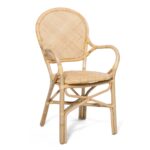
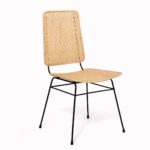
a. Rattan Chair
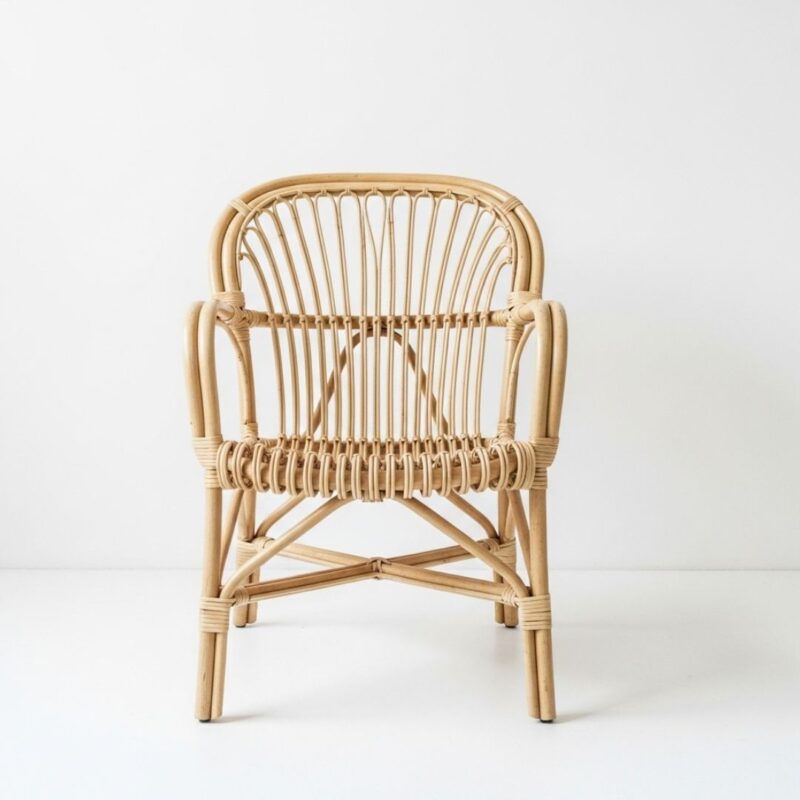
Rattan chairs are one of the most iconic products made from this material. Available in a variety of styles—from classic traditional designs to modern minimalist designs—rattan chairs consistently add a natural touch to any room. Their advantage lies in their lightweight yet strong design, making them comfortable for relaxing. Rattan chairs are suitable for living rooms, terraces, gardens, and even cafes or resorts. Their resistance to temperature changes makes them ideal for both indoor and outdoor use.
b. Rattan Table
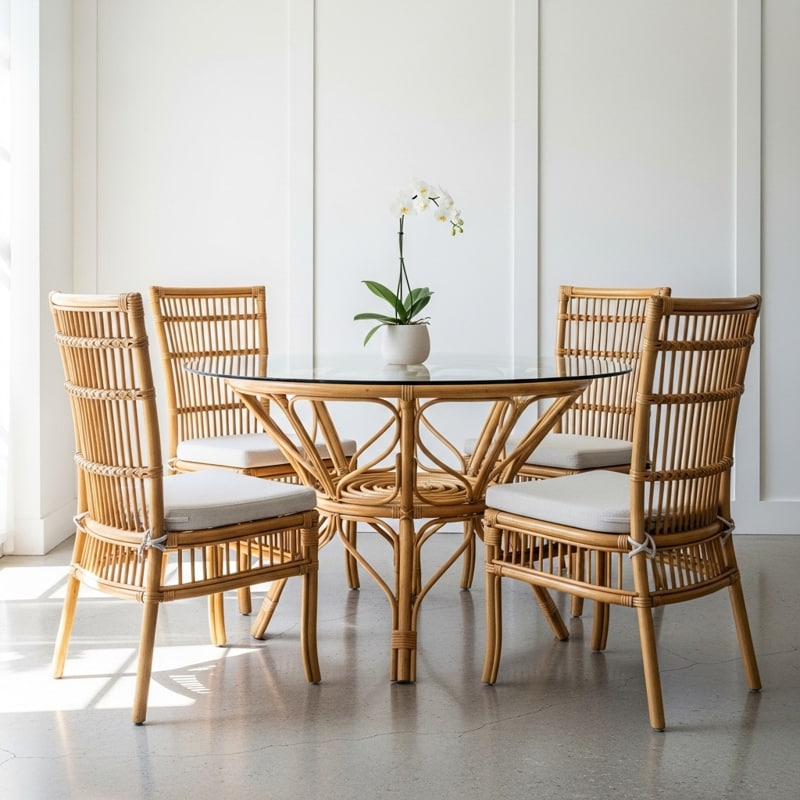
Rattan tables are often combined with other materials such as wood or glass to create an elegant and functional look. Their designs can be customized to suit any need—from small coffee tables to tropical-style dining tables. Besides being practical, rattan tables also add aesthetic value to a room. They are perfect for living rooms, terraces, cafes, or any casual space with a natural, rustic, or bohemian theme.
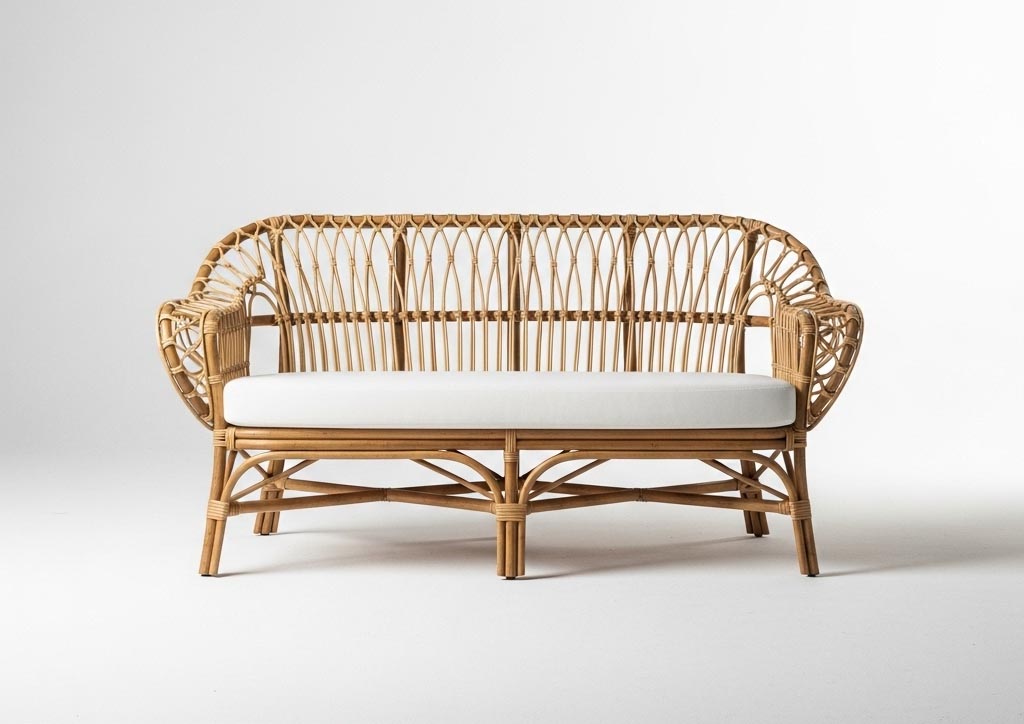
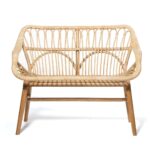
c. Rattan Sofa
Rattan sofas are the perfect blend of natural rattan and soft cushions for maximum comfort. Their elegant design makes them a favorite choice for interior decoration in homes, hotels, or modern living rooms with a tropical feel. Beyond their functional seating, rattan sofas also offer high aesthetic value and a luxurious feel. The rattan used is typically specially processed to ensure durability, strength, and lightness.
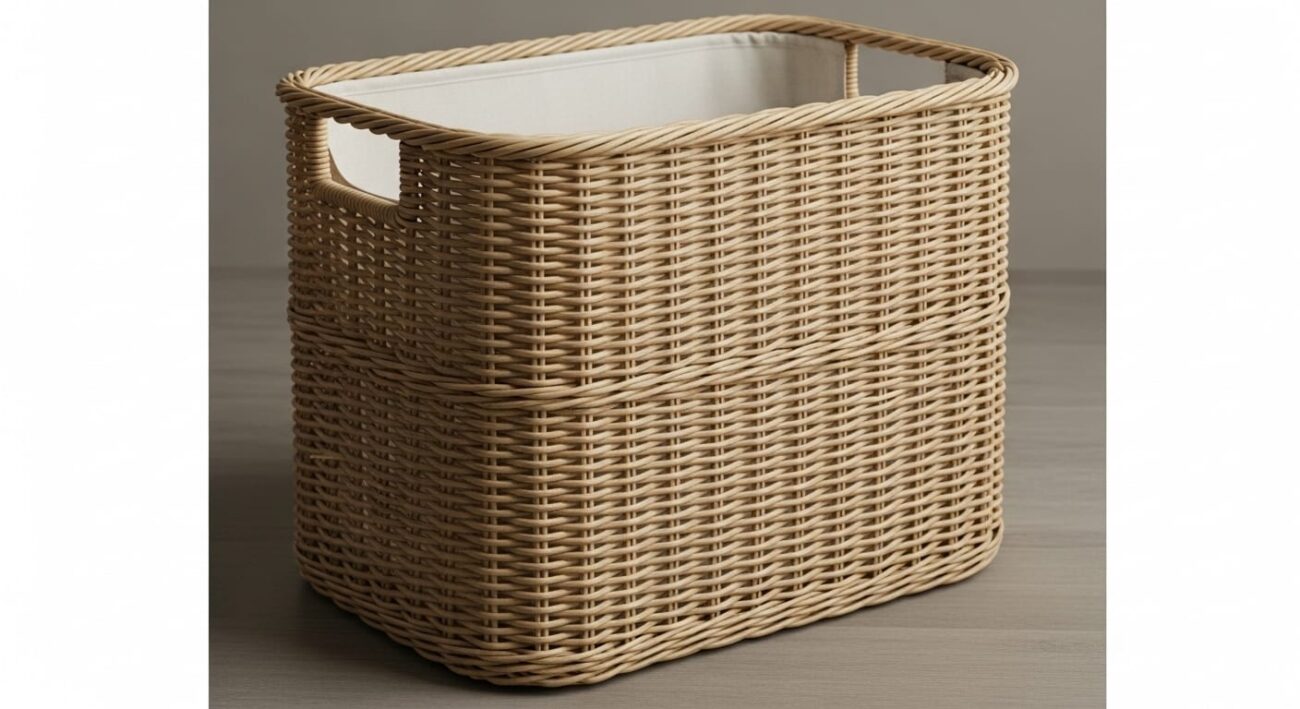
d. Rattan Basket
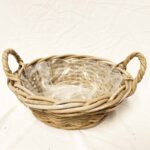
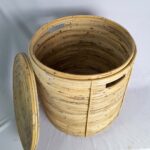
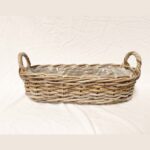
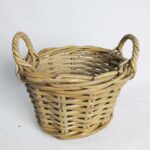
Rattan baskets are known for their balance of function and aesthetics. These baskets can be used for a variety of purposes, including clothing storage, hampers, parcels, toys, and fruit, as well as room decoration. Beyond their functionality, rattan baskets add a warm and natural feel to home interiors. Handmade by artisans, each basket is unique and offers an environmentally friendly alternative to plastic products.
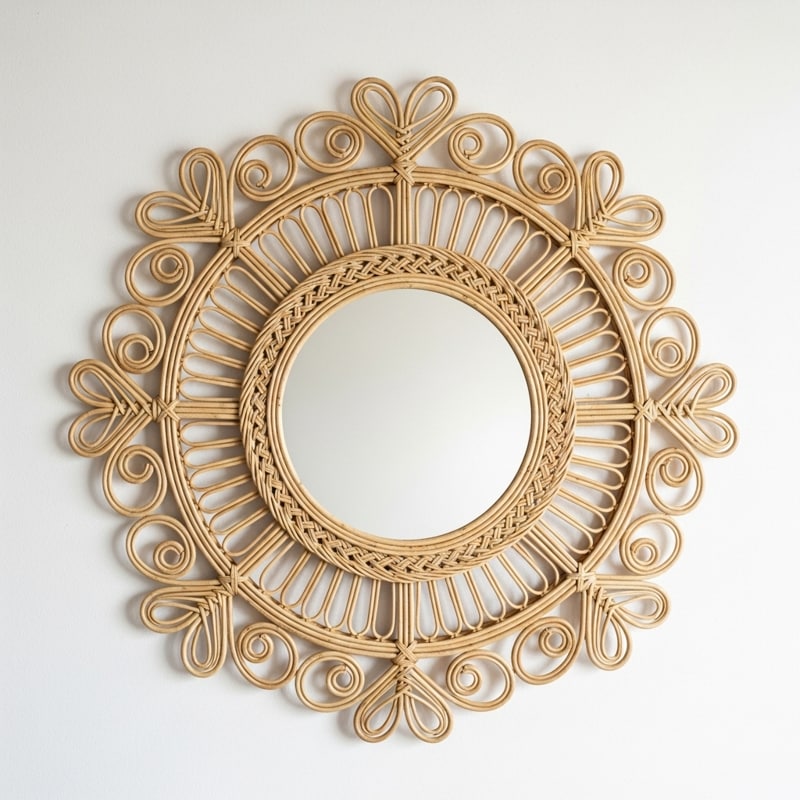
e. Rattan Ornaments & Decorations
Selain furnitur Rattan is also widely used for interior ornaments and decorations such as lampshades, mirror frames, vases, plant pots, and even wall panels. The rattan touch in these decorative elements creates a warm, natural, and artistic atmosphere. The combination of rattan texture and soft lighting can enhance the character of a room, making it more vibrant and distinctive.
Advantages of Rattan Products Compared to Other Materials
Rattan products have several advantages that make them popular, even amidst the rise of modern synthetic furniture. Rattan excels not only in appearance but also in functionality and sustainability. Here are some of its advantages:
1. Durable and Easy to Maintain
Rattan is known for its durability against long-term use. Its dense fiber structure makes it strong yet lightweight. With simple care—such as regular dusting and keeping it away from excess moisture—rattan products can last for years without losing their beauty.
2. Versatile for Various Design Concepts
Rattan's versatility makes it easy to adapt to a variety of interior styles. Whether bohemian, rustic, tropical, vintage, or modern minimalist, rattan always blends harmoniously into any space. Its natural color and distinctive texture create a warm and natural feel, making it a striking yet elegant decorative element.
3. Environmentally Friendly and Sustainable
One of rattan's key values is its sustainability. Originating from a fast-growing plant found in tropical forests, rattan is a renewable and biodegradable natural resource. Its use helps reduce reliance on synthetic materials like plastic and supports more environmentally friendly production practices.
4. Handmade Products with High Artistic Value
Most rattan products are handmade by local artisans, using skills passed down through generations. This process produces not only functional furniture but also works of art with high aesthetic value and unique character.
Every curve, weave, and finishing detail reflects the meticulous touch of human hands — something no machine can replace.
Rattan Product Care Tips
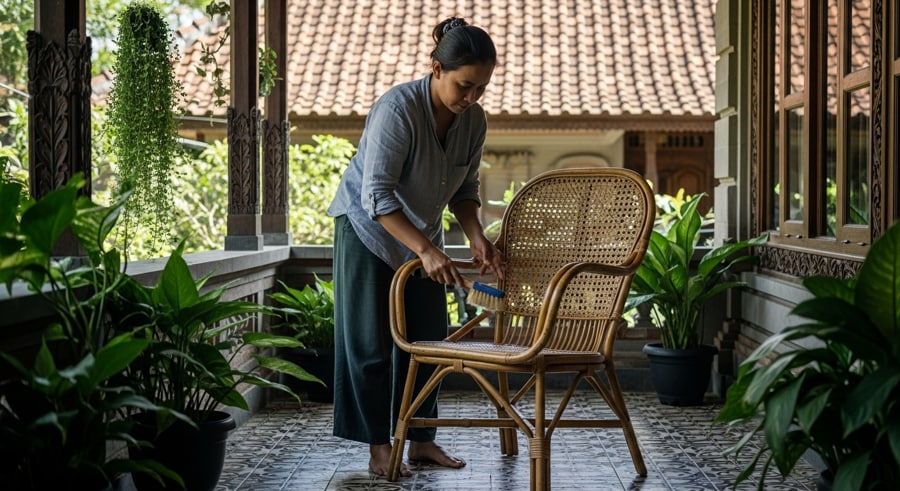
To ensure rattan products remain durable, beautiful, and comfortable for long-term use, simple but consistent care is required. Because it's made from natural materials, rattan requires special attention to prevent damage from humidity or temperature changes. Here are some care tips:
1. Clean Regularly
Use a dry or slightly damp cloth to remove dust and dirt from the rattan surface. Avoid using too much water, as it can weaken the rattan fibers and make them susceptible to mold. For gaps in the weave, use a soft brush or a small vacuum cleaner to prevent dust from accumulating.
2. Avoid Humidity and Direct Sunlight
Rattan is very sensitive to excessive moisture and direct sunlight. High humidity can cause mold and loosen the weave, while excessive heat can fade the color and cause the fibers to crack. Store the product in a well-ventilated area to keep it dry and stable.
3. Sunbathe Occasionally
To maintain the quality of the rattan, dry it periodically in the morning sun for a few minutes. This helps reduce the natural moisture the rattan may absorb and prevents mold growth. However, avoid drying it for too long to prevent the rattan from becoming brittle.
4. Use Additional Protection (Optional)
For rattan furniture frequently used outdoors, consider applying a protective coating such as clear varnish or a rattan-specific coating. This coating helps protect the rattan's natural color from weather changes while adding a natural sheen.
Rattan Product Market Trends & Opportunities
In recent years, rattan products have seen a resurgence in popularity in both domestic and international markets. The global shift toward eco-friendly and sustainable lifestyles has made rattan one of the most sought-after materials for furniture and home decor.
1. Rising Export Demand and Eco-Living Lifestyle Trends
Global consumer awareness of environmental issues is driving a growing interest in natural and handmade products. Indonesian rattan products are now widely exported to countries like Japan, the United States, Australia, and Europe, representing a sustainable lifestyle and natural aesthetics. Rattan's flexible design—which can be modern, rustic, or minimalist—makes it suitable for various global interior trends, such as Japandi, boho chic, dan tropical modernThis opens up huge opportunities for local producers and exporters to expand their markets internationally.
2. Business Opportunities for Local Craftsmen and Distributors
Domestically, demand for rattan products continues to rise, particularly among cafes, hotels, villas, and modern homes embracing a natural concept. This creates significant opportunities for local artisans, interior designers, and distributors to develop rattan-based businesses. With the support of digital marketing technology, rattan products are now widely recognized through e-commerce platforms and social media. Collaborations between traditional artisans and young designers have also resulted in innovations in more modern and functional rattan products without abandoning local values.
3. Rattan Products as a Sustainable Living Option in the Future
Rattan is more than just a natural material—it's a symbol of sustainability and beauty derived from nature. Compared to synthetic materials, rattan is far more environmentally friendly because it comes from a fast-growing and sustainable plant. sustainable living The ever-evolving nature of rattan products makes them increasingly relevant as a primary choice for future lifestyles. With wise use and continuous innovation, the rattan industry has the potential to become a vital pillar of a green economy while preserving Indonesia's natural environment.
Overall, the rattan product market has bright prospects both locally and globally. The combination of aesthetic value, sustainability, and economic opportunities makes rattan not just a craft material but also a modern lifestyle icon rooted in local wisdom.
Rattan Product Market Trends & Opportunities
Rattan is once again a favorite in the furniture and decor market, as public awareness of environmentally friendly and sustainable products grows. This natural material offers not only beauty but also sustainable values that align with today's modern lifestyle.
1. Rising Export Demand and Eco-Living Lifestyle Trends
Tren eco-living Sustainable lifestyles have fueled growing interest in natural products, including rattan. Countries such as Japan, the United States, and various European countries now import rattan products from Indonesia, as they reflect a more natural aesthetic and environmental responsibility. The more modern and minimalist designs of rattan furniture have also made it popular among young people who favor bohemian, tropical, and even Japandi looks. The combination of style and environmental awareness makes rattan a suitable choice in the global market.
2. Business Opportunities for Local Craftsmen and Distributors
The growing demand for rattan products opens up significant opportunities for local artisans, MSMEs, and domestic distributors. Demand comes not only from export markets but also from the hotel, restaurant, and cafe sectors, as well as modern housing projects embracing a natural concept.
With the support of digital marketing and e-commerce, rattan products can now reach a wider market without geographical boundaries. Design innovation, collaboration with young designers, and strengthening local branding are key to success in expanding the market.
3. Rattan Products as a Sustainable Living Option in the Future
Rattan is a fast-growing, renewable natural material, making it ideal for supporting a sustainable lifestyle. Compared to synthetic materials, the rattan production process has a significantly lower carbon footprint. Rattan products not only beautify spaces but also symbolize a commitment to environmental sustainability. With innovation and sustainable rattan forest management, this industry has great potential to become a vital part of the future green economy.
Conclusion
Rattan products are more than just furniture or decoration, but a perfect blend of function, aesthetics, and environmental sustainability. Each rattan weave reflects the natural beauty of Indonesia, crafted with local wisdom and artisanal craftsmanship. Amid the global trend toward an eco-friendly lifestyle, using local rattan products is not only a stylish choice but also a tangible form of support for the creative industry and environmental sustainability. By choosing rattan, we contribute to preserving nature while empowering the artisans who are the guardians of our nation's traditions and arts.
“From the hands of craftsmen, natural rattan is transformed into works of art that enliven spaces and protect the earth.”