





Blog
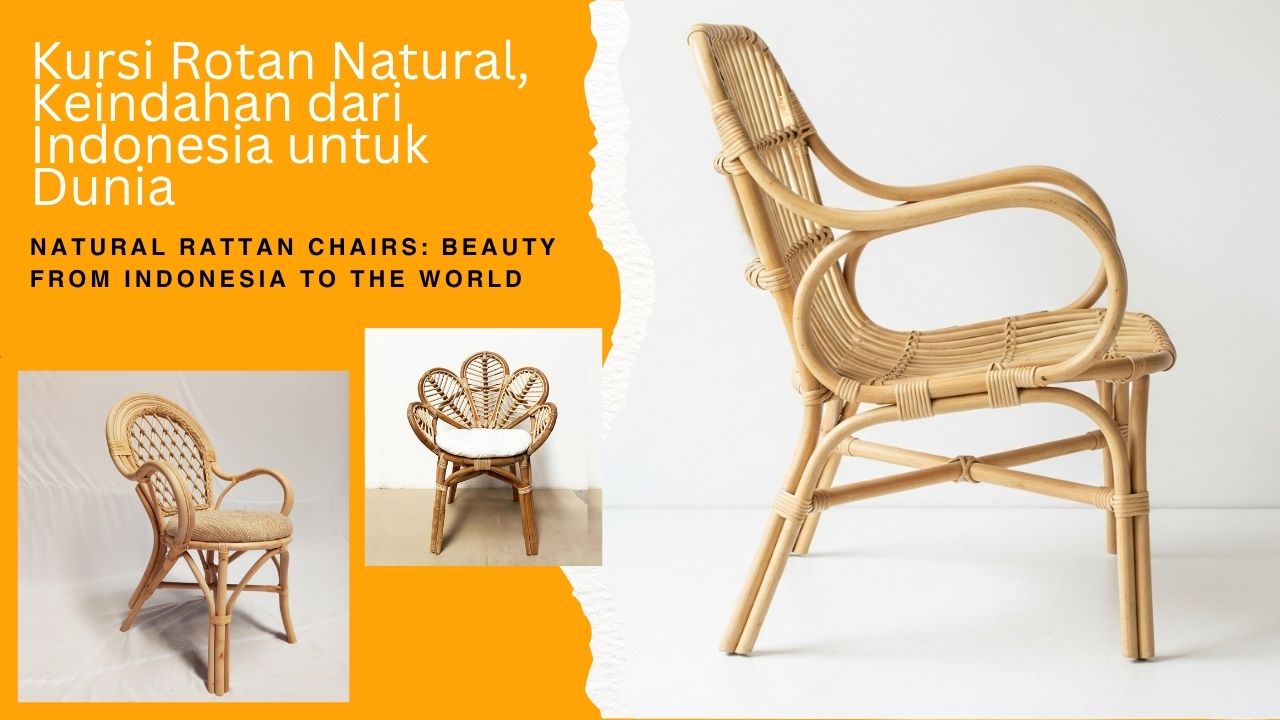
Natural Rattan Chairs: Beauty from Indonesia to the World

Natural Rattan Chairs: Beauty from Indonesia to the World
Rattan is a natural material native to Indonesia that is known worldwide as a versatile material for furniture and handicrafts. With its strong, flexible, and lightweight characteristics, rattan is a prime choice for creating a variety of functional and aesthetically pleasing products. Indonesia itself plays a significant role as the world's largest rattan producer, contributing more than 80% of the global natural rattan supply. Most of the rattan comes from the forests of Kalimantan, Sulawesi, and Sumatra — which are then processed by artisans into works that are not only beautiful but also have high economic value. Natural Rattan Chairs.
In modern interior design trends, rattan chairs are making a comeback thanks to their natural appearance and ability to create a warm and comfortable atmosphere in various spaces. Eco-living and sustainable design are also increasingly encouraging people to choose products made from natural materials like rattan, which are environmentally friendly and renewable. More than just a product, rattan furniture reflects the cultural heritage and creativity of local Indonesian communities. Handcrafted by artisans, each rattan piece is not only a work of art, but also a reflection of traditional values, meticulous care, and a passion for preserving nature.
2. Advantages of Rattan Material
Rattan is known as one of the best natural materials for furniture due to its unique characteristics that are difficult to match. Its key characteristics—light, strong, flexible, and malleable—make it ideal for creating a wide range of furniture designs—from classic to modern minimalist.
Some popular types of rattan used by Indonesian craftsmen include:
- Manau rattan – large diameter, very strong, and a top choice for furniture frames.
- Sega Rattan – has fine and flexible fibers, suitable for fine woven details.
- Tohiti rattan – known for its beautiful natural color and uniform texture.
- Rattan Lambang – often used for decorative ornaments because it is easy to shape.
Compared to synthetic materials or wood, natural rattan has its own advantages. Besides its warm and natural appearance, rattan is also lighter, less prone to cracking, and resistant to changes in room temperature. Its flexibility makes it easy for craftspeople to create artistic shapes without the need for numerous joints or cuts. In terms of sustainability, rattan is also environmentally friendly because it is a renewable and biodegradable material. It grows quickly and does not damage forests like logging. This is what makes rattan products increasingly popular in the global market, in line with the trend of sustainable living and eco-friendly furniture.
3. Various Rattan Chair Designs
The beauty and flexibility of rattan allows it to be crafted into a variety of chairs with varying styles and functions. From classic designs to modern minimalist designs, rattan chairs consistently create a warm and natural atmosphere in any room. Natural Rattan Chairs.

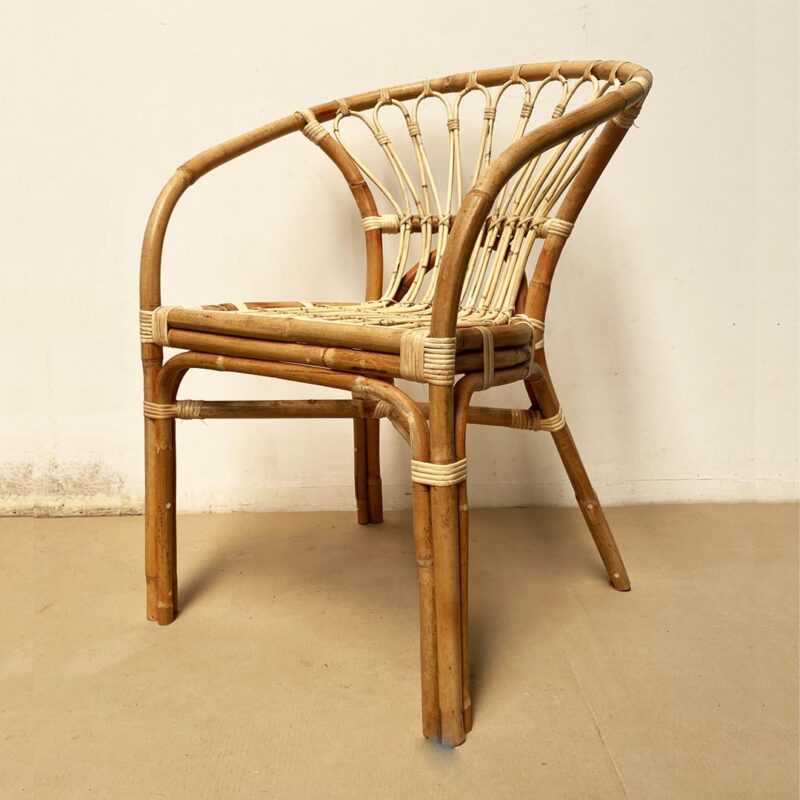
a. Classic Rattan Chair
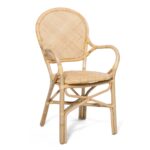
Classic rattan chairs feature traditional weaving patterns with elegant shapes and timeless designs. They typically feature soft curves and the natural color of the rattan, preserved without many modern touches.
This type of chair is suitable for vintage, colonial, or rustic style homes, providing a warm feel and high artistic value.
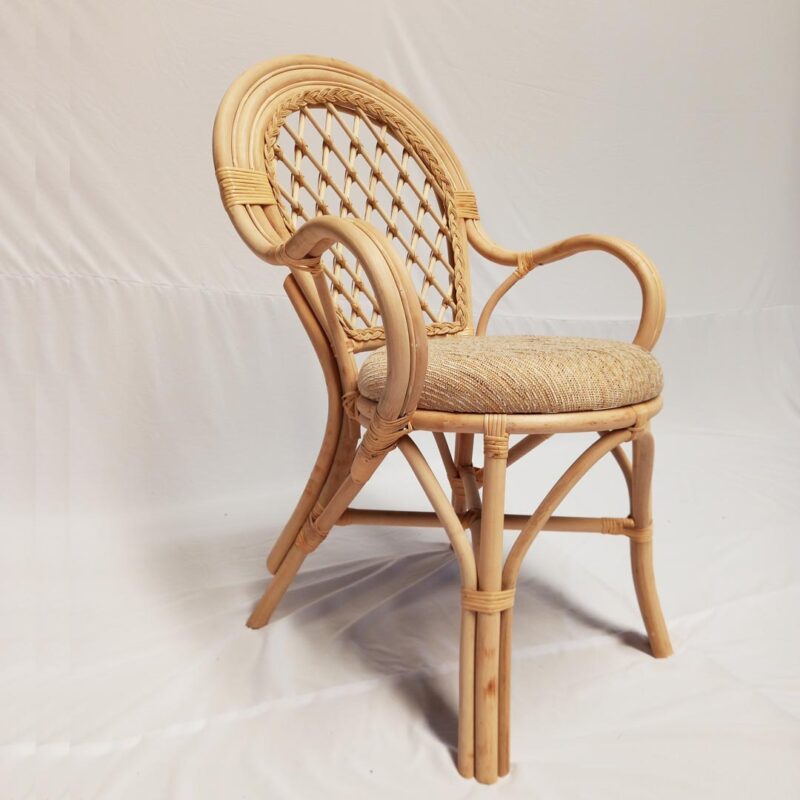
b. Modern/Minimalist Rattan Chair Types
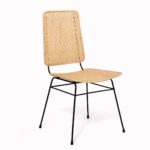
Modern rattan chair designs combine natural rattan elements with supporting materials such as iron, light steel, or solid wood.
This style emphasizes a simple, functional, yet elegant impression, suitable for living rooms, cafes, or work areas with a contemporary and clean design concept.
c. Outdoor/Terrace Rattan Chairs
Outdoor rattan chairs are specially designed to withstand outdoor weather conditions.
The material and finishing were chosen to be resistant to heat and humidity, while remaining light so it is easy to move.
This type is ideal for terraces, gardens, balconies, or relaxing areas in natural-themed cafes.
d. Synthetic Rattan Chair
Unlike natural rattan, synthetic rattan chairs use PE (polyethylene) rattan which is resistant to water and UV rays.
Its advantages lie in its high durability, color that does not fade easily, and very easy maintenance, making it a popular choice for exterior areas and public facilities such as hotels or resorts.
4. Rattan Chair Making Process
Rattan chair making combines traditional artisan skills with modern design touches. Each step requires meticulous attention to detail to produce a product that is not only beautiful but also strong and durable.
Production Stages
- Rattan Material Selection, The process begins with selecting high quality rattan such as Manau, Sega, atau Tohiti. Materials are selected based on strength, flexibility, and fiber color to achieve optimal results.
- Drying and Preservation: The rattan is then dried in the sun or in a drying oven to reduce the moisture content. This step is crucial to prevent mold growth and to ensure a longer shelf life.
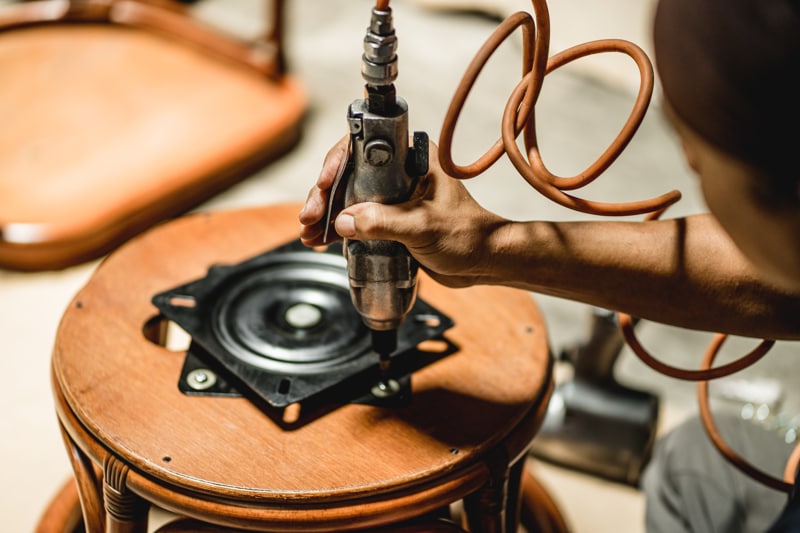
- Bending and Forming the Frame: Once dry, the rattan is heated and bent to fit the chair frame design. This process requires great precision to ensure precise shape and strength.
- In the weaving process, the craftsman begins weaving the rattan onto the frame using a specific pattern—it can be a crisscross, a spiral, or any other combination. This is where the artistic beauty and distinctive characteristics of handmade rattan become apparent.
- Finishing and Coloring: The final stage involves applying color, termite protection, and a coating to enhance weather and moisture resistance. The end result is a smooth, sleek, and ready-to-use rattan chair.
The Role of Local Craftsmen
Indonesian rattan artisans play a crucial role in maintaining the quality standards and artistic value of their products. Each piece reflects generations of experience and meticulous attention to detail in the weaving. Today, many manufacturers combine traditional techniques with modern designs, producing rattan chairs that are not only functional but also aesthetically pleasing—perfect for stylish interiors. bohemian, scandinavian, maupun contemporary. Kursi Rotan Natural .
5. Advantages of Indonesian Rattan Chairs
Indonesian rattan chairs are widely known for their quality, beauty, and high artistic value, handcrafted by local craftsmen. Each chair is not only functional but also reflects the warmth and distinctive character of Indonesian culture.
- Handmade with Precision Details: Each chair is handcrafted, not mass-produced in a factory. This manual process results in neat, strong, and highly artistic weaving details. The artisan's touch makes each product unique and exclusive.
- Diverse and Aesthetic Designs: Indonesian rattan chairs come in a variety of styles—from classic, bohemian, rustic, to modern minimalist. The combination of rattan with iron, wood, or glass creates an elegant look that suits a variety of interior and exterior styles.
- Flexible for Various Functions, Rattan has a light yet sturdy character, making the chair easy to move and use in various places:
- Living room or family room
- Terrace and garden
- Cafes, restaurants, hotels, and resorts with a natural concept
With its ergonomic design and natural look, rattan chairs bring a warm and comfortable atmosphere to any space.
- International Export Quality: Indonesia has long been a major exporter of rattan products worldwide. Rattan chairs made by local artisans meet global quality standards—from material durability and structural strength to fine finishing. Many Indonesian rattan products adorn homes and hotels in Europe, America, and Asia. Natural Rattan Chairs.
6.Global Markets and Trends
Indonesian rattan chairs are now not only in demand locally but also a favorite internationally. With its elegant designs and high sustainability values, rattan furniture is increasingly recognized as a furniture choice for the future.
- Increasing Export Demand. Trade data shows a positive trend in Indonesian rattan furniture exports to various countries, including Europe, the United States, Japan, and Australia. The most popular products include rattan chairs, coffee tables, and modern minimalist rattan sofas. The superiority of natural materials and the handmade touch make Indonesian products uniquely appealing compared to mass-produced products.
- Eco-Friendly and Sustainable Furniture Lifestyle Trends. Global awareness of environmental issues is driving people worldwide to shift to eco-friendly products. Rattan, as a renewable and biodegradable natural material, has become a symbol of a sustainable lifestyle.sustainable livingMany interior designers are now embracing rattan as a key element in green housing and eco-living concepts.
- Rattan as an Icon of Tropical Design and Natural Living. The natural and warm feel of rattan makes it an icon of tropical design, synonymous with a relaxed, elegant, and comfortable atmosphere. From villas in Bali to resorts in Europe, Indonesian rattan chairs are part of a global trend that combines natural beauty, comfort, and elegant design. Natural Rattan Chairs.
7. Tips for Caring for Rattan Chairs
To ensure a rattan chair remains durable, beautiful, and comfortable for years to come, proper care is required. Although rattan is known for its strength and flexibility, alami It remains sensitive to moisture and excessive heat. Here are some simple care steps you can take:
- Clean Regularly. Use a dry or damp cloth to remove dust from the rattan surface. For the gaps between the weaves, you can use a soft brush or a small vacuum cleaner for optimal results.
- Avoid excessive sunlight and moisture. Place your rattan chair in a shady, dry area. Direct sunlight can cause the rattan to fade, while high humidity can cause mold and decay.
- Sunbathe Occasionally. Regularly exposing the rattan to morning sunlight helps maintain its natural moisture and prevent mold. However, avoid sunbathing for too long, as this can cause the rattan to become stiff or crack.
- Use a Protective Coating. Apply a protective coating or clear varnish to preserve the rattan's natural color and protect it from dust, water, and light scratches. This step also adds a natural shine and extends the product's lifespan.
8. The Role of Local Industry and Craftsmen
The Indonesian rattan industry is not just a production sector, but also a pillar of the regional economy and a preserver of national culture. In the skilled hands of local artisans, natural rattan is transformed into high-value works of art recognized internationally.
- Regional Economic Contribution. Rattan industry centers are spread across various regions, such as Cirebon, Jepara, Sukoharjo, Kalimantan, and Sulawesi. These regions serve as the backbone of national rattan furniture and craft production, providing employment for thousands of artisans and increasing local incomes. The resulting products are not only marketed domestically but also exported to various destination countries.
- Preserving Cultural Heritage and Handicrafts. Each rattan weave reflects Indonesia's cultural heritage and traditional values. Rattan weaving skills are passed down through generations, making rattan products not only valuable economically but also possess artistic value and local identity. Efforts to preserve this craft also mean preserving the heritage of distinctive and authentic handicrafts.
- Collaboration between Young Designers and Traditional Craftsmen. In the modern era, a new synergy has emerged between young designers and local craftsmen. This collaboration has given rise to more modern design innovations without abandoning traditional values. Designers play a role in presenting aesthetics and global market trends, while craftsmen maintain the quality and traditional Indonesian weaving techniques. The result is innovative, artistic rattan products ready to compete in the global market.
Conclusion
Indonesian rattan chairs are more than just furniture, but rather masterpieces that combine natural beauty, practical function, and sustainability. Crafted from natural materials that thrive in Indonesia's tropical forests, each rattan chair reflects the meticulous craftsmanship and artistic spirit of local artisans. Rattan's advantages—lightweight, strong, and environmentally friendly—make it a perfect choice in today's increasingly sustainable world. With diverse designs, from classic to contemporary, rattan chairs blend harmoniously with a variety of interior styles, whether in homes, cafes, hotels, or resorts. Beyond their aesthetic value, rattan products also make a significant contribution to the regional economy and the preservation of Indonesian culture. Each weave is a testament to creativity, local wisdom, and the spirit of maintaining a balance between humans and nature. Natural Rattan Chairs.
From Indonesia's tropical landscape, rattan is transformed into works that bring warmth and elegance to every space.”
Let's support and use local rattan products as part of a sustainable lifestyle — because true beauty is born from natural materials and the skilled hands of our own people.