





Blog
Inspirasi Desain Interior Furniture Rotan Natural

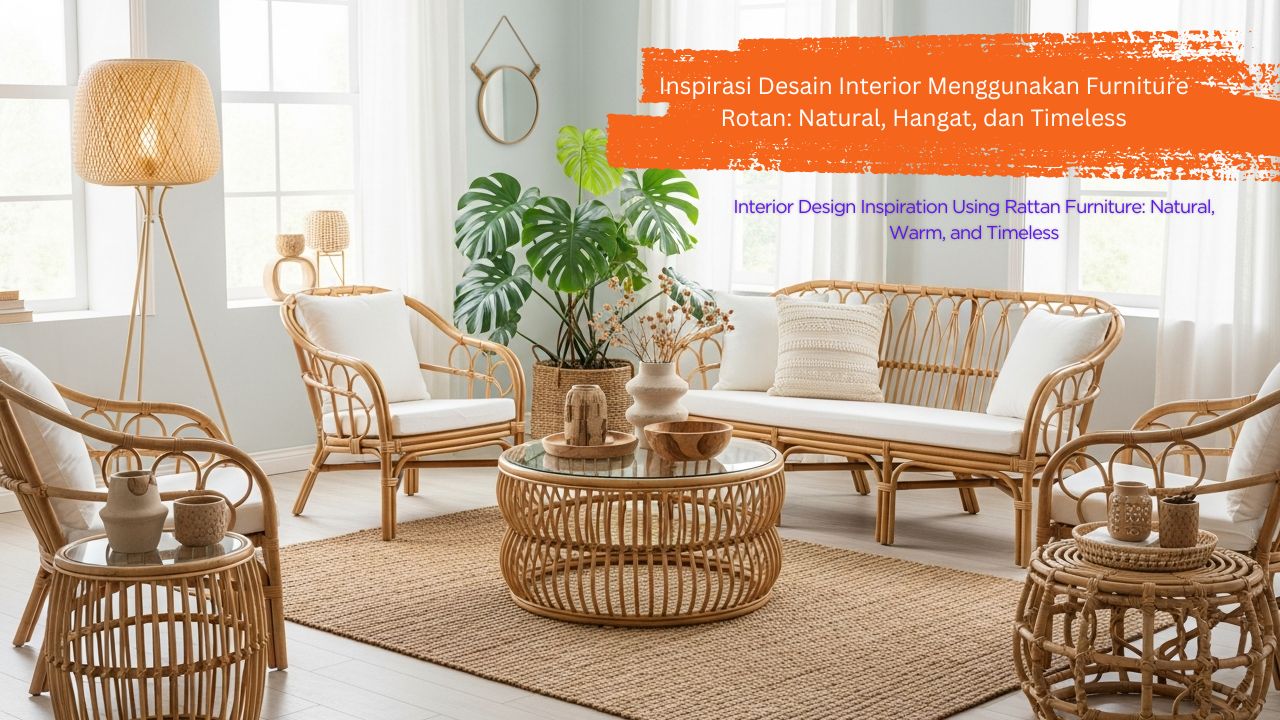
Interior Design Inspiration Using Rattan Furniture: Natural, Warm, and Timeless
In recent years, interior design trends have shown a clear trend toward the use of natural materials. Lifestyle changes, a growing awareness of sustainability, and the need for spaces that feel warmer and more comfortable are driving many people to return to materials closer to nature. Home concepts are no longer just about modern aesthetics, but also about creating a calming and characterful atmosphere. One natural material that is gaining renewed attention is rattan. As a local Indonesian material, rattan has both a distinctive aesthetic and strong functionality. Its natural texture, warm colors, and flexible shape make it easy to process into a variety of furniture, from chairs and tables to decorative elements. Furthermore, rattan is known for its lightness, strength, and eco-friendliness, adding value to both design and sustainability.
These advantages make rattan furniture suitable for a variety of interior styles. From modern minimalist, Scandinavian, and Japandi, to bohemian and tropical, rattan adapts without losing its natural character. With the right design, rattan furniture can become more than just a complement but also a key element, reinforcing the identity of a space.
Getting to Know Rattan Furniture in Interior Design
Rattan furniture is a type of furniture that uses rattan as its primary material, whether in the form of a frame, weave, or accent elements. Rattan comes from the climbing palm plant that grows in tropical regions, particularly Southeast Asia. Indonesia itself is known as one of the world's largest rattan producers, with the quality of its raw materials recognized in both domestic and international markets. In the context of interior design, rattan furniture is no longer synonymous with a purely traditional look. Through design innovations and modern production techniques, rattan now comes in a variety of more contemporary forms—from dining chairs and sofas to tables and shelves, to decorative elements that align with the needs of modern interiors.
One of rattan's key characteristics is its light weight yet strength. This property makes rattan furniture easy to move and flexible in spatial arrangement, without sacrificing durability. Furthermore, rattan has a high natural flexibility, making it easy to shape into aesthetically pleasing curved and woven designs—something that is difficult to achieve with other materials. material Hard as solid wood or metal. In terms of strength, rattan has a dense fiber structure and is resistant to pressure. With the right processing and finishing, rattan furniture can be used for long periods, both in residential and commercial spaces such as cafes, hotels, and resorts.
Compared to other materials, rattan offers several advantages. Rattan is more environmentally friendly because it comes from a renewable resource and can be harvested without damaging forest ecosystems. Visually, rattan also provides a warm and natural feel that synthetic materials lack. Furthermore, aesthetically, rattan blends easily with various interior concepts and other supporting materials, making it an ideal choice for interior designers and homeowners.
Reasons Why Rattan Furniture is Suitable for Modern Interiors
One of the main reasons rattan furniture is gaining popularity in modern interior design is its ability to create a warm, natural look. Amidst the dominance of cold materials like concrete, glass, and metal, rattan provides a visual balance that makes a room feel more vibrant and comfortable. The natural texture and soft colors of rattan create a calming atmosphere without compromising the modern feel. Furthermore, rattan furniture is known for its ease of combination with a variety of other materials. Rattan can be combined with solid wood for a strong, natural feel, iron or steel for an industrial-modern look, and fabrics like linen or cotton for a soft, cozy feel. This versatility makes rattan an adaptable and relevant design element for a variety of interior concepts.
Functionally, rattan furniture is suitable for both small and large spaces. Its lightweight and minimal design make it ideal for apartments or minimalist homes. In larger spaces, rattan furniture can serve as a main accent or focal point, enhancing the character of the room without feeling overwhelming. Equally important, rattan is an environmentally friendly and sustainable material. As a natural, renewable material, rattan supports the concept of... sustainable living which is increasingly becoming a key consideration in modern interior design. For consumers and businesses, the use of rattan furniture is not just about aesthetics, but also a form of concern for the environment and a more sustainable future.
Interior Style Inspiration with Rattan Furniture
Rattan furniture has a unique character that makes it easily adaptable to a variety of interior styles. From simple modern concepts to bold, natural designs, rattan can enrich the look of a space without compromising its functionality. Here are some inspirations for the most popular interior styles using rattan furniture.
a. Minimalist Style
In minimalist style, the main principles are simplicity and function. Rattan furniture serves as a supporting element, softening the look of a space without overwhelming it. Rattan chairs with simple designs, clean lines, and minimal detail are perfect for this concept. Combined with neutral colors like white, cream, or gray and an open layout, rattan provides a warm, natural touch while maintaining a clean and modern minimalist aesthetic.
b. Scandinavian style
Scandinavian style is synonymous with natural lighting, bright colors, and the use of natural materials. In this concept, the combination of rattan with light-colored woods like oak or pine creates a balanced visual harmony. Rattan furniture adds texture and depth to a space, creating a warm, clean, and comfortable feel without appearing monotonous. Rattan dining chairs or lounge chairs are often a favorite choice in this style.
c. Bohemian Style (Boho)
Unlike minimalism, the bohemian style emphasizes expression, texture, and character. Woven rattan, with its strong texture and artistic patterns, is a key element that reinforces the boho feel. Combined with ornamental plants, patterned fabrics, and ethnic decor, rattan furniture creates a relaxed, creative, and personal atmosphere. This style is perfect for a lounge, reading nook, or casual cafe.
d. Japandi style
Japandi blends the simple, functional Japanese aesthetic with the warmth of Scandinavian style. In this style, rattan is typically used as a natural accent, not a dominant element. Rattan furniture with low-key designs, natural colors, and functional shapes helps create a calm, balanced, and uncluttered atmosphere. Rattan softens the minimalist feel while maintaining the warmth of the space.
e. Tropical Style
For tropical style, rattan is often a key element in interiors. Its natural character is perfectly in harmony with tropical climates and cultures. Rattan furniture is combined with greenery, natural light, and earth tones to create a fresh and relaxing atmosphere. This style is ideal for beach homes, villas, resorts, and commercial spaces that want to emphasize a vacation feel and a closeness to nature.
Rattan Furniture Applications in Various Spaces
Rattan furniture is not only aesthetically pleasing but also extremely flexible in its application to various types of spaces. Whether for private residences or commercial spaces, rattan can adapt to the function and character of a space without compromising its visual appeal. Here are some examples of the most common and effective rattan furniture applications.
Sitting room
In the living room, rattan furniture can serve as both a central element and an accent. Rattan chairs, rattan sofas, or rattan coffee tables are often used to create a warm and welcoming atmosphere. Combined with soft fabric cushions, natural rugs, and appropriate lighting, the living room will feel both more comfortable and aesthetically pleasing.
Dining room
For dining rooms, rattan dining chairs are a popular choice due to their lightness, comfort, and relaxed appearance. Rattan chairs easily pair with wooden tables or simple modern tables, making them perfect for modern homes that prioritize comfort and togetherness.
Bedroom
In the bedroom, rattan is often used as a supporting element to enhance a serene atmosphere. A rattan headboard, a lounge chair in the corner, or a rattan bench at the foot of the bed can provide a calming, natural touch. The texture of rattan helps create a warmer, more personal resting space.
Terrace and Balcony
Rattan furniture is ideal for patios and balconies, especially with finishes designed for outdoor use. An outdoor rattan sofa, lounge chair, or small rattan table creates a comfortable relaxing space that blends in with its surroundings. Rattan also provides a light feel, preventing a semi-outdoor space from feeling cramped.
Commercial Space
In commercial spaces such as cafes, hotels, and villas, rattan furniture is often chosen for its warm, natural, and Instagrammable ambiance. Besides enhancing visitor comfort, rattan also enhances the space's visual identity and adds value to the customer experience. This makes rattan furniture a strategic choice for commercial projects and B2B markets.
Tips for Combining Rattan Furniture for a More Aesthetic Interior
To ensure that rattan furniture looks its best and blends seamlessly with the overall interior design, careful selection and arrangement are essential. Here are some practical tips you can apply to create an aesthetically pleasing, balanced, and comfortable interior.
Choose Rattan Colors to Suit Your Room Concept
Rattan color significantly influences the character of a room. For minimalist or Scandinavian styles, natural or light-colored rattan creates a clean and airy feel. Meanwhile, darker rattan is suitable for bohemian, tropical, or interiors with a warm and exotic feel. Coordinating the rattan color with the room's palette will help create a harmonious feel.
Combine with Soft Fabric
Rattan furniture will look more comfortable and functional when paired with soft fabrics like linen or cotton. Cushions, cushions, or upholstery made from natural fabrics not only enhance comfort but also enhance the visual texture of the space. The combination of rattan and soft fabrics creates a balance between natural elegance and modern comfort.
Use Warm Lighting
Lighting plays a crucial role in highlighting the beauty of rattan. Warm lamps help emphasize the woven texture and natural color of rattan, while creating a more intimate and calming atmosphere. Floor lamps, table lamps, or pendant lamps with natural shades work well with rattan furniture.
Make Rattan a Focal Point
To avoid overwhelming your interior, it's best to make rattan furniture a focal point, rather than taking up the entire space. Choose one or two main elements—such as an iconic rattan chair, a rattan sofa, or a rattan table—and combine them with other materials for balance. This approach allows the rattan to stand out without overpowering the space.
Caring for Rattan Furniture to Make it Last Longer
Rattan furniture is a natural material that requires proper care to maintain its strength, beauty, and longevity. With proper care, it can maintain its quality and appearance, suitable for both indoor and semi-outdoor use. Here are some recommended care steps.
Avoid Excess Humidity
Rattan is very sensitive to high humidity. Continuous exposure to water or damp air can cause it to mold, warp, or become brittle. Therefore, avoid placing rattan furniture in areas that are too humid or exposed to direct water. Ensure the room has good air circulation to keep the rattan dry and stable.
Clean Regularly
Regular cleaning is essential to maintaining the appearance and cleanliness of rattan furniture. Use a dry cloth, soft brush, or vacuum with a soft attachment to remove dust from between the weaves. For light stains, use a slightly damp cloth, then dry immediately to prevent the rattan from absorbing excess water.
Use the Right Coating or Finish
The right finish can help protect rattan from dust, dirt, and weather changes. For indoor use, a clear or natural coating is sufficient to preserve the color and texture of the rattan. Meanwhile, for outdoor or semi-outdoor areas, a special finish that is resistant to moisture and sunlight is recommended.
Proper Storage and Use
When not in use for extended periods, store rattan furniture in a dry, shaded area. Avoid stacking or overloading, as this can damage the woven structure. During daily use, use it according to its intended purpose to maintain its shape and strength.
Rattan Furniture Opportunities for Homes & Businesses
Rattan furniture not only has aesthetic value but also holds significant potential as a high-value product for both residential and commercial use. Changing design and lifestyle trends are opening up vast opportunities for rattan to continue growing in both local and international markets.
Growing Local and Export Market Trends
In the local market, rattan furniture is gaining popularity, aligning with the growing trend toward modern homes embracing natural and comfortable concepts. Apartments, landed houses, and even commercial projects like cafes and hotels are increasingly incorporating rattan as a primary or supporting design element. Meanwhile, in the export market, Indonesian rattan furniture holds a strong position. Countries in Europe, America, and East Asia demonstrate steady demand for rattan products, particularly in the hospitality and lifestyle segments. The quality of the raw materials, the craftsmanship of the craftsmen, and the ever-evolving design landscape make Indonesian rattan competitive in the global market.
High Demand for Natural and Sustainable Design
Environmental awareness is driving consumers and businesses to choose eco-friendly products. Rattan furniture addresses this need because it is made from natural materials that are renewable and sustainably managed. Interior designs that emphasize natural elements are no longer considered a passing trend but rather a long-term lifestyle. This makes rattan furniture a relevant product with stable market prospects, both for private residences and large commercial projects.
Potential for Collaboration between Craftsmen and Designers
One of the main strengths of the Indonesian rattan industry lies in the synergy between local craftsmen and interior designers. This collaboration enables the creation of rattan furniture products that are not only technically robust but also superior in terms of design and sales value. For rattan distributor brands, this collaboration opens up opportunities to offer exclusive products, custom designs, and private labels that can reach the middle to upper market segments and B2B. With this approach, rattan is marketed not only as a material but also as a high-value interior design solution.
Closing
Rattan furniture has proven itself as an interior design solution that is not only aesthetic but also functional. Its natural character provides visual warmth, while its strength and flexibility make rattan suitable for everyday use, both in private residences and commercial spaces. The advantage of rattan lies in its ability to adapt to various interior styles. From minimalist, Scandinavian, Japandi, bohemian, to tropical, rattan furniture can blend in without losing its identity. With the right arrangement and combination of materials, rattan can become an element that strengthens the character of a room while increasing comfort. More than just a trend, rattan furniture is a long-term design investment. Its timeless aesthetic value, support for sustainable concepts, and growing market potential make rattan the right choice for the present and the future. For homeowners, interior designers, and business owners, it offers a balance of beauty, function, and sustainable value.