






Blog
National Rattan Industry Trends

National Rattan Industry Trends
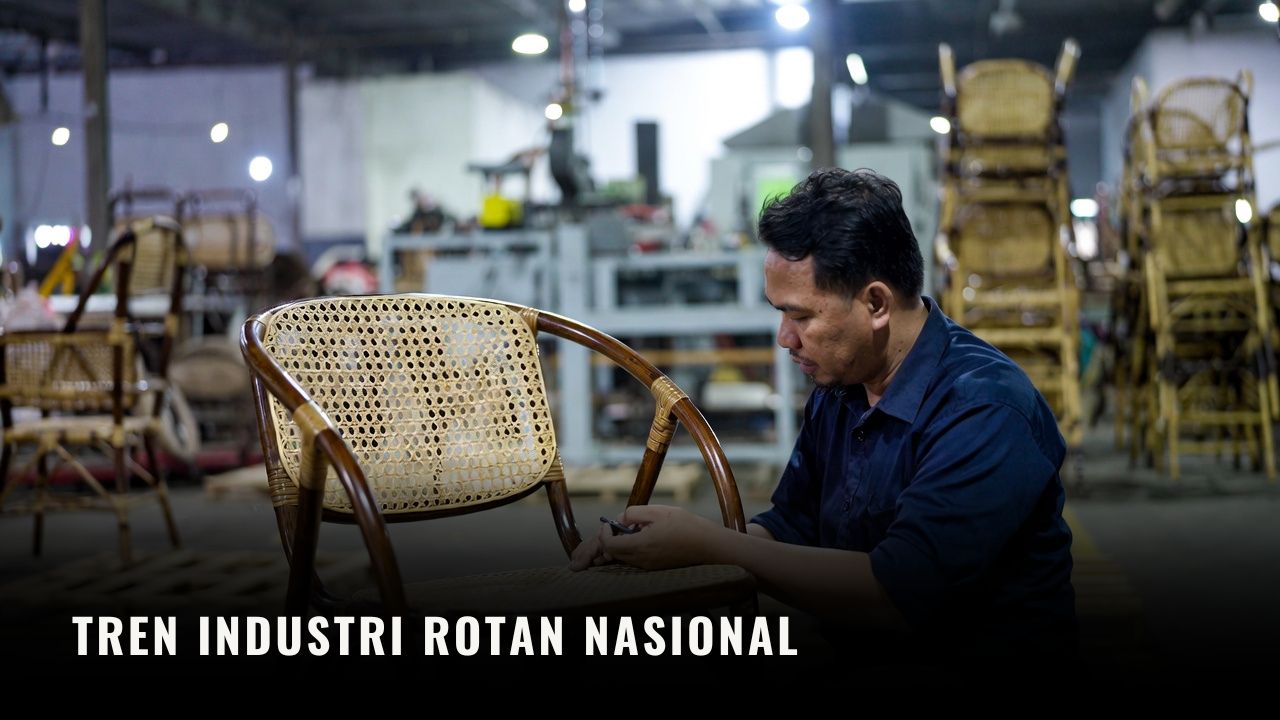
The rattan industry plays a vital role in the Indonesian economy, both as a source of income for the community and as a leading commodity in the international market. Rattan has long been a key component of the furniture and craft industries, absorbing a significant workforce, from farmers and artisans to exporters. Indonesia is known as one of the world's largest rattan producers, boasting an abundant supply of raw materials and a diverse range of high-quality rattan. This wealth of natural resources places Indonesia in a strategic position within the global rattan industry, making it a key supplier to various countries. Rattan Industry Trends
In addition to contributing to non-oil and gas exports, the rattan industry also has a significant impact on national economic growth, particularly in rattan-producing regions. This industry supports the development of MSMEs, the creative industry, and even the tourism sector through natural furniture and decorative products. This article aims to discuss trends in the national rattan industry, from market developments, design and technological changes, to the opportunities and challenges facing the Indonesian rattan industry in the modern era.
2. Overview of the National Rattan Industry
The rattan industry in Indonesia has been developing for a long time and has become one of the leading sectors in the furniture and textile industry. kerajinanWith the support of abundant natural resources, Indonesia is able to become a major player in the global rattan market.
History of the Development of the Rattan Industry in Indonesia
Rattan has been used in Indonesia for decades, initially for household needs and traditional crafts. As international market demand increased, the rattan industry evolved into a more modern and organized business sector, particularly in furniture and decoration production. This industry's growth has accelerated with the emergence of various rattan processing centers in several regions, focusing on producing raw materials and finished products for export.
Main Rattan Production Center
Indonesia has several areas known as rattan centers, including:
• Kalimantan
• Sulawesi
• Sumatera
• Cirebon (rattan processing and furniture industry center)
These areas have an important role in the national rattan industry supply chain.
Popular Types of Rattan
Some types of rattan that are widely used in industry include:
• Rotan Jawit
• Rotan Kubu
• Rotan Manau
• Rotan Sega
• Rotan Soft
Each type has its own characteristics, both in terms of strength, flexibility, and appearance.
Rattan Industry's Contribution to Exports
The rattan industry contributes significantly to Indonesian furniture and craft exports. Indonesian rattan products are known for their high quality, design, and artistic value, making them sought after in various countries, particularly in Europe, America, and Asia. In addition to generating foreign exchange, this industry also creates jobs for many people and supports regional economic growth. With its abundant raw materials and the creativity of its artisans, the national rattan industry continues to have significant opportunities for growth in the global market.
3. Trends in Demand for Rattan Products
Demand for rattan products continues to grow in line with changing lifestyles and global interior design trends. Natural products are increasingly sought after due to their perceived aesthetics, environmental friendliness, and high artistic value.
Increasing Interest in Natural and Eco-Friendly Products
Modern society increasingly favors products made from natural materials and supports sustainability. Rattan has become a popular material due to its renewable natural resource and warm, elegant natural appearance. Eco-friendly lifestyle trends have also driven the rise in rattan furniture and decor in various countries.
Modern Rattan Furniture Trends
Rattan furniture designs are currently evolving to become more modern and minimalist. Combining rattan with other materials such as iron, wood, or fabric creates a more premium look and is suitable for a variety of interior designs. Products such as lounge chairs, sofas, tables, and even rattan swings are becoming increasingly popular among young consumers and the hospitality industry.
Popularity of Handmade Products
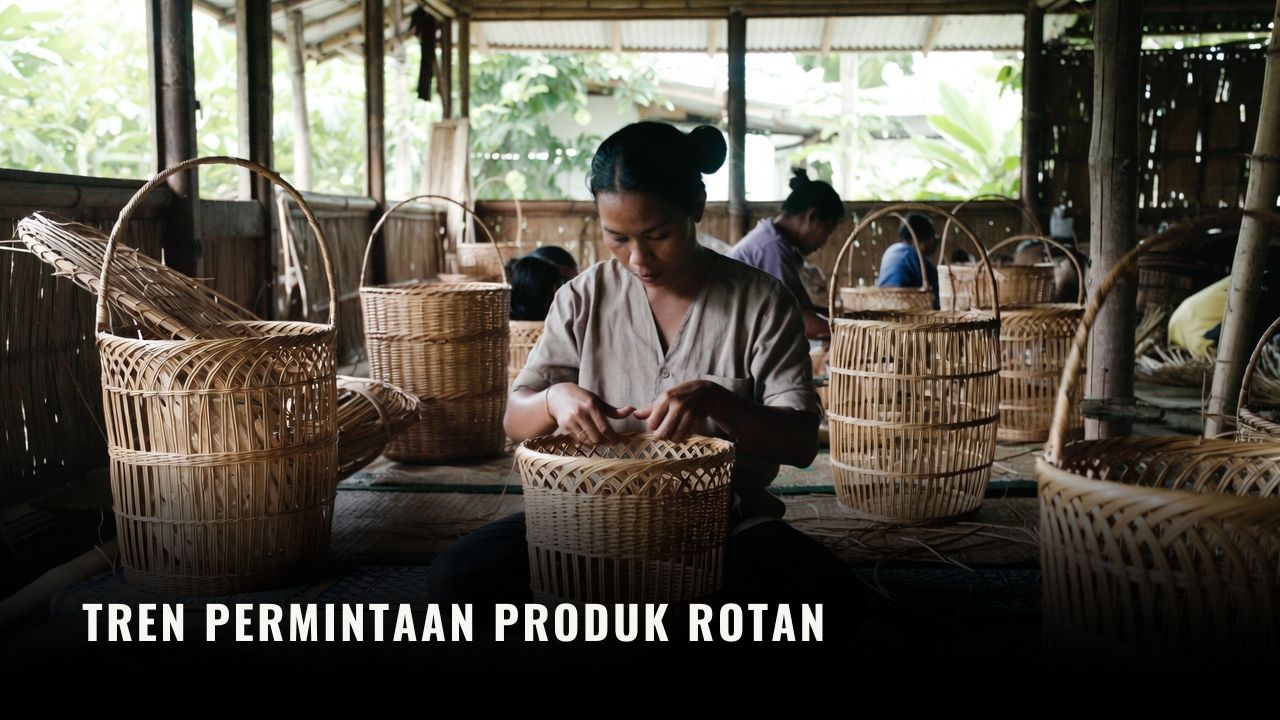
Handmade rattan products have a unique appeal, highlighting the artistic value and uniqueness of each piece. Many international consumers value handmade products more, considering them more exclusive and authentic. This craftsmanship is one of the main strengths of the Indonesian rattan industry in the global market.
Local and International Market Development
Demand for rattan products is increasing not only in the export market but also locally. The trend of using natural furniture for homes, cafes, hotels, and commercial spaces is growing in Indonesia. In the international market, Indonesian rattan products continue to offer significant opportunities, particularly in European, American, and Asian countries that continue to seek eco-friendly decor and furniture. With this growing trend, the national rattan industry has significant potential for growth and market expansion in the future.
4. Development of Rattan Product Design
Rattan product designs continue to evolve to reflect modern lifestyles and interior trends. While rattan was once synonymous with traditional designs, today it offers a more elegant, minimalist look, and is able to compete in the global market.
Minimalist and Modern Design
The minimalist design trend is one of the biggest influences on the development of rattan products today. Simple shapes, natural colors, and a clean look make rattan furniture increasingly popular, especially for modern, Scandinavian, and tropical living home designs.
Products such as chairs, tables, shelves, and even rattan lamps are now made with simpler yet aesthetic designs.
Combination of Rattan with Other Materials
To create a more modern and premium look, rattan is often combined with various other materials, such as:
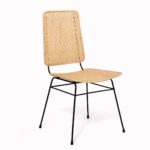
• Besi
• Kayu
• Aluminium
• Kaca
• Kain atau cushion modern
This combination not only increases the aesthetic value, but also adds strength and function to the product.
Custom and Premium Products
Demand for custom products is increasing, particularly in export markets and the hospitality sector, such as hotels, cafes, and resorts. Buyers now prefer products that can be tailored to their interior design needs. Furthermore, premium rattan products with exclusive finishes and handmade details are also gaining popularity due to their higher resale value.
Influence of Global Interior Trends
The rise of social media and global interior trends have also influenced rattan product design. Concepts such as:
• Bohemian
• Tropical
• Japandi
• Scandinavian
encouraging the increased use of rattan as a main decorative element.
This trend makes Indonesian rattan products increasingly relevant and offers significant opportunities for continued growth in the international market. With continued design innovation, the national rattan industry is able to produce products that are not only functional but also possess aesthetic value and high competitiveness.
5. Trends in Rattan Use in Various Sectors
Rattan's use is now increasingly widespread, extending beyond traditional furniture. Rattan has become a vital material in various industrial sectors due to its natural appearance, aesthetic appeal, and flexibility for various design concepts.
Household Furniture
Rattan is still one of the favorite materials for household furniture, such as:
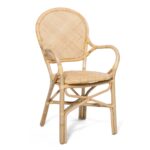
• Chair
• Sofa
• Table
• Cupboard
• Swing
Modern designs make rattan furniture increasingly suitable for use in minimalist and classic homes.
Interior Decoration
Rattan products are also widely used as interior decoration elements, such as:
• Chandelier
• Rattan mirror
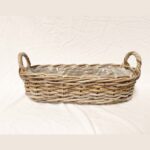
Woven basket
• Room partitions
• Wall decoration
The natural appearance of rattan can give a warm and comfortable impression to the room.
Hospitality (Hotel, Cafe, Resort)
The hospitality sector is one of the largest users of modern rattan products. Many hotels, cafes, and resorts use rattan furniture to create a tropical, natural, and aesthetic atmosphere that visitors love. Rattan is also considered to create an exclusive yet comfortable feel.
Fashion and Craft Products
Apart from furniture, rattan is also developing in the fashion and craft industries, such as:
• Rattan bag
• Sandal
• Handmade accessories
• Souvenirs and decorative crafts
These products have high artistic value and are in demand in both local and international markets.
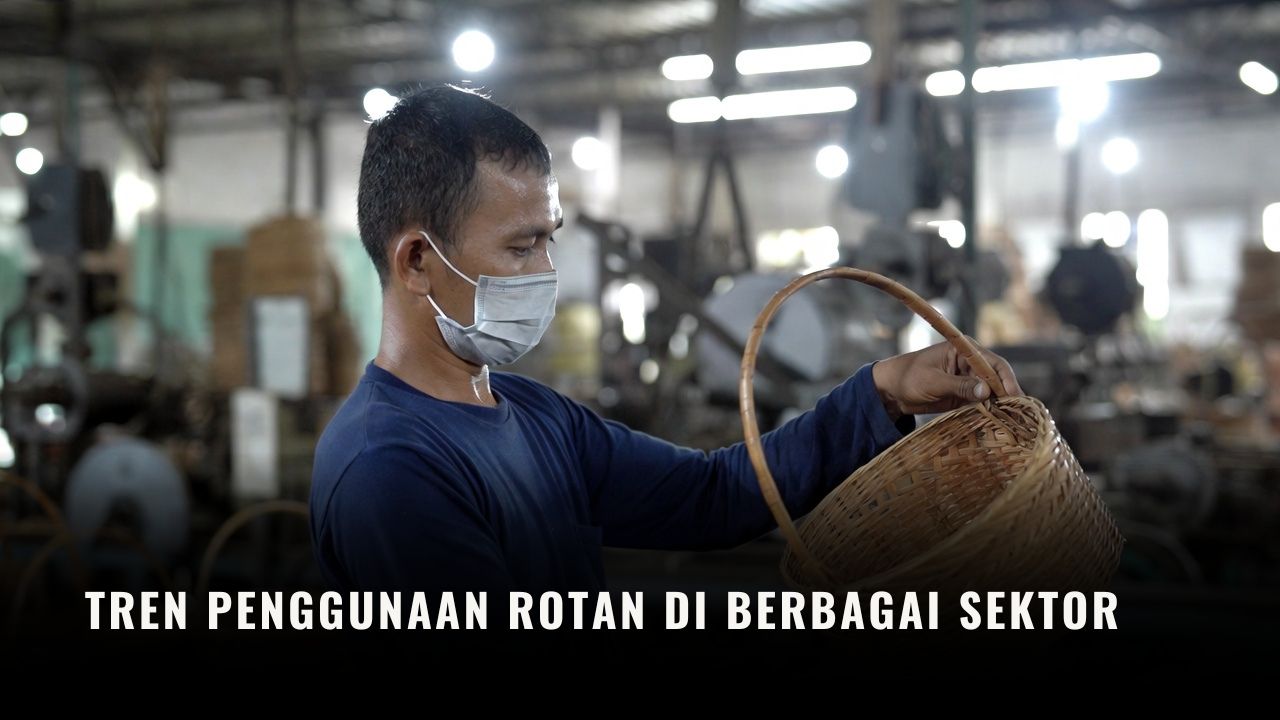
Tren Penggunaan Rotan di Berbagai Sektor
6. Technological Developments in the Rattan Industry
Technological advancements have helped the rattan industry become more modern and competitive. Technology helps improve production efficiency, product quality, and marketing to the global market.
Use of Modern Production Machines
Currently, many industrial players are starting to use modern machines to help the production process, such as:
• Rattan cutting machine
• Sanding machine
• Forming and bending machines
The use of machines helps increase production capacity and maintain quality consistency.
Latest Finishing Techniques
Finishing techniques continue to evolve to produce more premium and durable products. Modern finishing allows rattan products to have:
• More even color
• Smoother surface
• Better resistance to moisture and mold
Digital Marketing and Marketplaces
Rattan product marketing now relies more than just on exhibitions or physical stores. Many businesses are starting to utilize:
• Company website
• International marketplace
• Platform e-commerce
This opens up wider market opportunities, even to foreign countries.
Utilizing Social Media for Marketing
Social media has become one of the most effective marketing tools in the rattan industry. Platforms like Instagram, TikTok, and Facebook are used to:
• Display product catalog
• Building branding
• Reach international buyers
• Follow market trends
Compelling visual content makes rattan products more recognizable and appealing to modern consumers. With the support of technology, the national rattan industry has a significant opportunity to continue growing and competing in the global market.
7. Opportunities for the National Rattan Industry
The national rattan industry has enormous potential for continued growth, both in local and international markets. With its rich raw materials and the creativity of its artisans, Indonesia holds a strong position in the global rattan industry. Rattan Industry Trends
Export Market Potential
Demand for rattan products in the international market continues to grow, particularly for natural furniture and decorations. Countries such as the Americas, Europe, and Asia are potential markets for Indonesian rattan products.
Support for Eco-Friendly Lifestyle Trends
The increasing trend of eco-friendly and sustainable living has made rattan products increasingly popular because they are considered more natural, environmentally friendly, and have high aesthetic value.
Rattan MSME Opportunities
The rattan industry also opens up significant opportunities for MSMEs to develop through handmade products, custom furniture, and decorative crafts that have high sales value.
Online Market Growth
The development of e-commerce and social media makes it easier for business actors to reach wider markets, even internationally, without having to have a large physical showroom.
8. Challenges of the Rattan Industry
Despite the enormous opportunities, the rattan industry also faces various challenges that need to be overcome to remain competitive in the global market.
Global Market Competition
Indonesian rattan products must compete with other countries that also offer similar products with competitive prices and designs.
Availability of Raw Materials
The availability of quality raw materials is a significant challenge, especially if it is not balanced with sustainable resource management.
Price Fluctuations
Harga bahan baku dan biaya logistik yang tidak stabil dapat memengaruhi biaya produksi dan keuntungan usaha.
International Quality Standards
International buyers have high quality standards, from finishing, construction, to product packaging systems.
Regeneration of Craftsmen
The lack of interest among the younger generation in becoming rattan craftsmen can be a challenge in maintaining the sustainability of the industry.
9. Strategy for Facing Competition
To survive and thrive, rattan industry players need to implement various appropriate strategies. Rattan Industry Trends.
Product Design Innovation
Presenting modern, unique designs that follow market trends is one way to increase competitiveness.
Increased Production Quality
Consistency of product quality is very important to maintain buyer trust and increase the chance of repeat orders.
Branding Strengthening
Building a strong brand identity helps products become more easily recognized in local and international markets.
Collaboration with Designers and Buyers
Collaboration with interior designers and buyers can help create products that meet global market needs.
10. The Role of Government and Community
The development of the rattan industry requires support from various parties, including the government and the industrial community.
Regulatory Support and Training
The government has an important role in providing regulations, training, and assistance to improve the quality of the national rattan industry.
International Exhibitions and Promotions
Participation in international exhibitions helps expand the market and introduce Indonesian rattan products to the world.
Development of Rattan MSMEs
The MSME development program helps small business owners improve their production and marketing capabilities.
Industrial Sustainability Program
Efforts to conserve raw materials and develop sustainable industries are important factors for the future of the rattan industry.
11. The Future of the National Rattan Industry
The Indonesian rattan industry has a promising future if it can continue to adapt to market and technological developments.
Market Development Prediction
Demand for natural and handmade products is expected to continue to increase in the next few years.
Export Growth Potential
With increasingly developing quality and designs, the export opportunities for Indonesian rattan products are still very large.
Sustainable Product Opportunities
Natural products that support the concept of sustainability will be increasingly sought after by the global market.
Digital Transformation of the Rattan Industry
Digitalization in marketing, branding, and sales will be one of the main factors for the growth of the rattan industry in the future.
12. Conclusion
The national rattan industry has enormous potential to continue growing and competing in the global market. Abundant raw materials, artisan creativity, and the growing trend of environmentally friendly products are key strengths of this industry. However, to face global competition, businesses need to continuously improve design innovation, production quality, and digital marketing capabilities. Collaboration between the government, communities, and industry players is also a crucial factor in supporting the growth of the Indonesian rattan industry. With the right strategy and a commitment to quality, the future of the national rattan industry looks increasingly optimistic and full of opportunities. Rattan Industry Trends