


Blog
Rattan Craft Export Business Opportunities in Indonesia

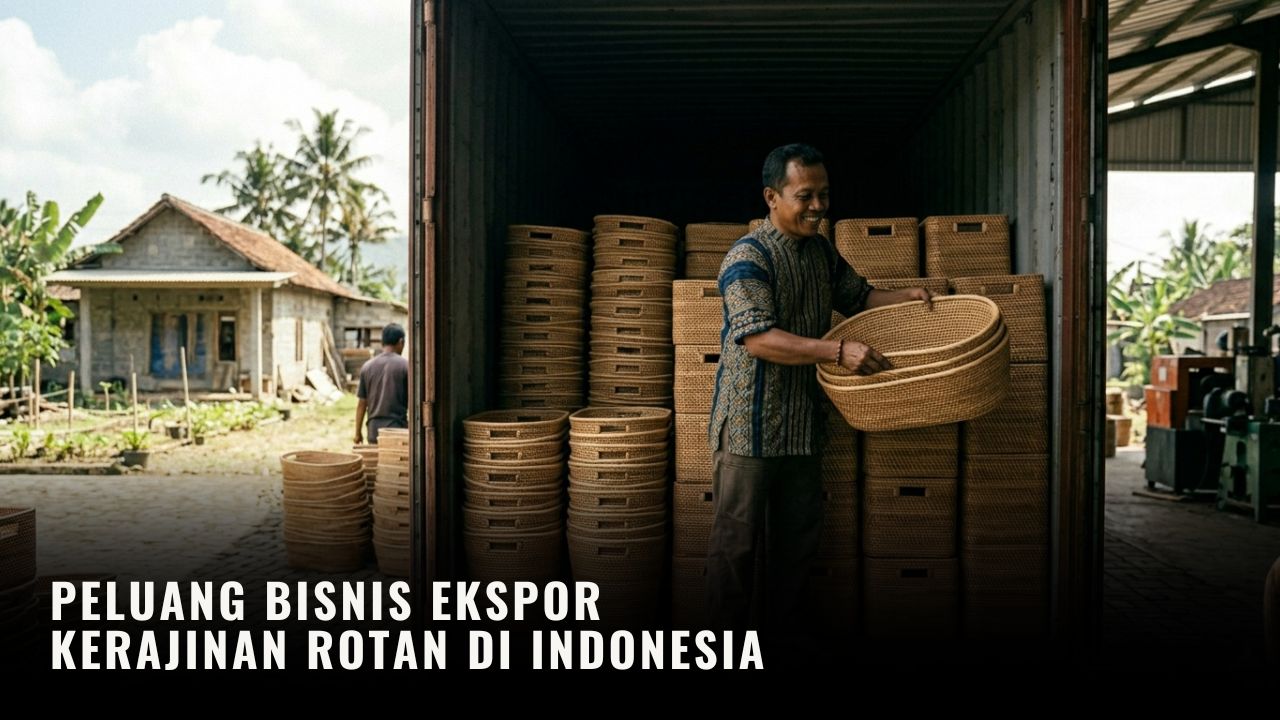
Rattan Export Business Opportunities in Indonesia
Indonesia is known as one of the world's largest rattan producers. Most of the global rattan demand comes from Indonesia's tropical forests, which are rich in natural resources. This gives Indonesia a strategic position in the rattan industry, both as a supplier of raw materials and as a producer of high-value finished products. Rattan craft exports play a significant role in the furniture and craft industry. This material is used to make chairs, tables, cabinets, and various home decor products. Besides being light and strong, rattan also has high aesthetic value and is easy to shape, making it highly sought after by both domestic and international markets. In recent years, the trend of rattan demand in the global market has continued to increase. This is driven by the increasingly popular eco-friendly lifestyle. Global consumers are starting to shift to natural products such as rattan because they are considered more sustainable than synthetic materials.
This article aims to discuss the business opportunities for Indonesian rattan exports in a comprehensive manner, starting from market potential, types of products in demand, to strategies for starting and developing a rattan export business so that it can compete with the global market.
2. Potential of Indonesian Rattan
Indonesia has significant potential in the rattan industry, making it a major player in the global market. Supported by abundant natural resources and superior quality materials, Indonesian rattan is a highly promising export commodity.
Abundant Availability of Raw Materials
Indonesia is the country with the largest supply of rattan in the world. Vast tropical forests serve as the natural habitat for various rattan species, ensuring a relatively stable and sustainable supply of raw materials, provided, of course, with proper management.
Diversity of Rattan Types
Indonesia boasts numerous rattan varieties with varying characteristics, including manau, sega, tohiti, and irit. This diversity provides flexibility in the production of a wide range of products, from raw materials to high-value furniture and crafts.
The Quality of Indonesian Rattan in the International Market
Indonesian rattan is known for its high quality in the international market. Its fibers are strong, flexible, and durable, making it ideal for various applications in the furniture and decoration industries. It's no wonder that Indonesian rattan products are highly sought after in Europe, America, and Asia.
Main Rattan Producing Regions in Indonesia
Several regions in Indonesia are known as rattan producing centers, including:
• Kalimantan (penghasil rotan terbesar)
• Sulawesi
• Sumatera
• Jawa (sebagai pusat pengolahan dan industri rotan, seperti Cirebon)
With this huge potential, Indonesia has a strong opportunity to continue developing the rattan business, especially in the export sector which has high added value.
3. Rattan Export Market Opportunities
Indonesia's rattan export market continues to show enormous potential. With growing interest in natural and sustainable products, rattan has become a leading commodity capable of competing in the international market.
Main Export Destination Countries
Indonesian rattan products are in great demand by various countries, especially:
• Amerika Serikat
• Negara-negara Eropa (Belanda, Jerman, Prancis)
• Jepang
• Korea Selatan
• Australia
These countries have high demand for natural furniture and decorative products.
Rattan Product Demand Trends (Furniture & Crafts)
The demand for rattan products continues to increase, especially for:
• Rattan furniture (chairs, tables, sofas)
• Home decoration products
• High artistic value handicrafts
Minimalist, natural, and handmade designs are trends that are much sought after by the global market.
The Development of Eco-Friendly Lifestyles
Global environmental awareness is growing. Products made from natural materials, such as rattan, are considered more environmentally friendly than plastic or synthetic materials.
This makes rattan a top choice in concepts:
• Sustainable living
• Eco-friendly furniture
• Natural home decor
Online Market Opportunities and Global Marketplace
Technological developments have opened up huge opportunities for rattan business actors to penetrate the international market through:
• Marketplace global (seperti platform B2B dan B2C)
• Own business website
• Social media as a means of promotion
With the right digital strategy, business owners can reach buyers from various countries without having to be physically present.
With these various opportunities, the rattan export business has bright prospects and is worth developing seriously.
4. Rattan Products That Are in Demand in the International Market
The international market is highly interested in various rattan products, both finished and semi-finished. The unique designs, natural feel, and handmade value of Indonesian rattan products make them particularly appealing to global buyers.
Rattan Furniture (Chairs, Tables, Sofas)
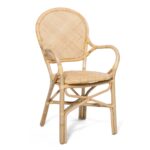
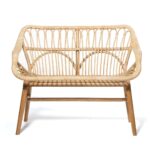
Rattan furniture is one of the most sought-after products in the export market. Products such as lounge chairs, tables, sofas, and living room sets are widely used for both indoor and outdoor use.
The advantages:
• Natural and aesthetic appearance
• Light but strong
• Suitable for various design concepts (minimalist, tropical, modern)
Handicrafts (Decoration, Weaving)
Rattan craft products also have a large market, particularly in the home decor segment. For example:
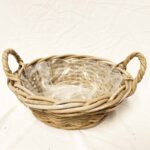
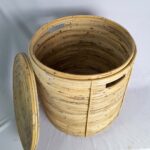
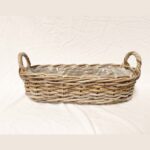
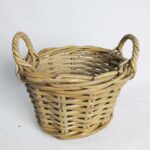
Woven basket
• Chandelier
• Wall decoration
• Interior accessories
This product is in high demand because it has high artistic value and is handmade.
Combination Rattan Products (Rattan + Iron/Wood)
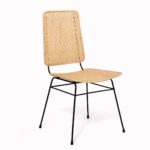
Modern design trends are encouraging the emergence of rattan products combined with other materials such as iron or wood.
Combination product advantages:
• Stronger and more durable
• More modern and varied designs
• Adapting to global market tastes
This product is widely used for premium furniture and modern decoration.
Semi-finished Rattan and Raw Materials
Apart from finished products, rattan in semi-finished or raw material form is also in high demand, especially from overseas manufacturing industries.
Contohnya:
• Rotan poles
• Rotan kupas
• Rotan core (isi rotan)
Buyers usually reprocess these materials into final products according to their market needs.
With a variety of product choices, business actors have the flexibility to determine the market segment they want to target, both as producers of finished products and suppliers of rattan raw materials for the export market.
5. Advantages of the Indonesian Rattan Export Business
The Indonesian rattan export business has many advantages that make it competitive in the international market. The combination of material quality, workforce skills, and product aesthetics makes Indonesian rattan highly attractive to global buyers.
High Quality Raw Materials
Indonesian rattan is known for its superior quality, being strong, flexible, and durable. The abundant availability of raw materials also adds value, ensuring continuous production to meet export demand.
Skilled Workforce
Indonesia's rattan industry is supported by an experienced and highly skilled workforce, particularly in weaving and furniture-making. This expertise is a distinct advantage, making it difficult for other countries to replicate.
Competitive Prices
Compared to competing countries, Indonesian rattan products are more competitively priced. This is due to the availability of local raw materials and relatively efficient production costs, which allows them to provide added value to international buyers.
High Artistic and Handmade Value
Indonesian rattan products possess high artistic value due to their extensive handicraft process. Each product possesses a unique, diverse character, which is a distinct attraction in a global market that favors authentic and natural products.
With these various advantages, the Indonesian rattan export business has great potential to continue to grow and become one of the leading sectors in international trade.
6. Challenges in Rattan Exports
Despite its significant potential, the rattan export business also faces various challenges that must be managed effectively. Understanding these challenges will help entrepreneurs better prepare for developing strategies and maintaining business sustainability in the market. global. Ekspor Kerajinan Rotan.
Global Competition
The international market is not limited to Indonesia, but also to other countries such as Vietnam, China, and the Philippines. They offer similar products with innovative designs and competitive prices. This demands that Indonesian rattan entrepreneurs continuously improve product quality and creativity.
International Quality Standards
Foreign buyers have high quality standards, from materials to finishes to product durability. Products that fail to meet these standards risk being rejected or losing buyer confidence. Therefore, quality control must be a top priority.
Export Regulations
The export process involves various regulations and documents that must be met, such as business permits, customs documents, and certain certifications. Regulatory changes can also occur, so businesses need to stay updated on the latest policies.
Fluctuations in Raw Material Prices
The price of rattan as a raw material can fluctuate depending on availability and market conditions. These fluctuations can impact production costs and profit margins if not managed properly. Rattan Craft Exports
Logistics and Delivery
Shipping products internationally requires an efficient and secure logistics system. Common challenges include:
• High shipping costs
• Risk of damage to goods
• Long delivery time
Good logistics management is essential to ensure that products reach buyers in optimal condition and on time.
By understanding and anticipating these various challenges, business actors can be better prepared to compete and develop their rattan export business sustainably.
7. How to Start a Rattan Export Business
Starting a rattan export business isn't just about having a product; it's also about understanding the global market, meeting international standards, and building a strong and sustainable business system. For entrepreneurs, the right initial steps are crucial to success in penetrating the export market. With Indonesia's vast rattan potential, opportunities to enter the international market are wide open. However, thorough preparation is required, from market research and product selection to legal compliance and marketing strategies. This section will discuss the important steps to starting a rattan export business, enabling entrepreneurs to operate more purposefully, professionally, and be ready to compete in the global market. Rattan Craft Exports.
7.1 Market Research
The first step is understanding your target market. Without proper research, even a great product can be difficult to sell.
Determining Country Targets
Choose a country with high demand for rattan products, such as the United States, Europe, or Japan. Also consider purchasing power, design trends, and import regulations in that country.
Market Trend and Needs Analysis
Study emerging trends, such as minimalist, natural, or eco-friendly designs. Also, pay attention to the most popular product types to ensure more targeted production. Export Rattan Crafts.
7.2 Determining Products
Select Featured Products
Determine your product focus, whether you want to sell furniture, crafts, or rattan raw materials. Having a superior product will facilitate market positioning.
Adapt to Market Demand
The product chosen must be in accordance with the needs and tastes of the target market, both in terms of design, size and function.
7.3 Legality and Licensing
Business Licensing
Ensure that the business has complete legal documents such as a NIB (Business Identification Number) and related business permits.
Export Documents
Prepare important documents such as invoices, packing lists, bills of lading, and other customs documents.
Product Certification
Some countries require certain certifications, such as quality standards or legality of raw materials (e.g. a wood legality certificate if combined with wood).
7.4 Establishing Business Relations
Cooperation with Buyers
Build long-term relationships with overseas buyers or importers. Good communication and consistent quality are essential.
Participate in International Exhibitions
Participating in international furniture or craft exhibitions can open up opportunities to meet potential buyers directly.
Business Networking
Expand your network through communities, associations, or global business platforms to increase export opportunities.
7.5 Marketing Strategy
Website and Product Catalog
Have a professional website and an attractive product catalog as a representation of your business in the global market.
International Marketplace
Take advantage of B2B platforms like Alibaba or others to reach buyers from various countries.
Social media
Use social media to build branding, showcase production processes, and attract the attention of the international market.
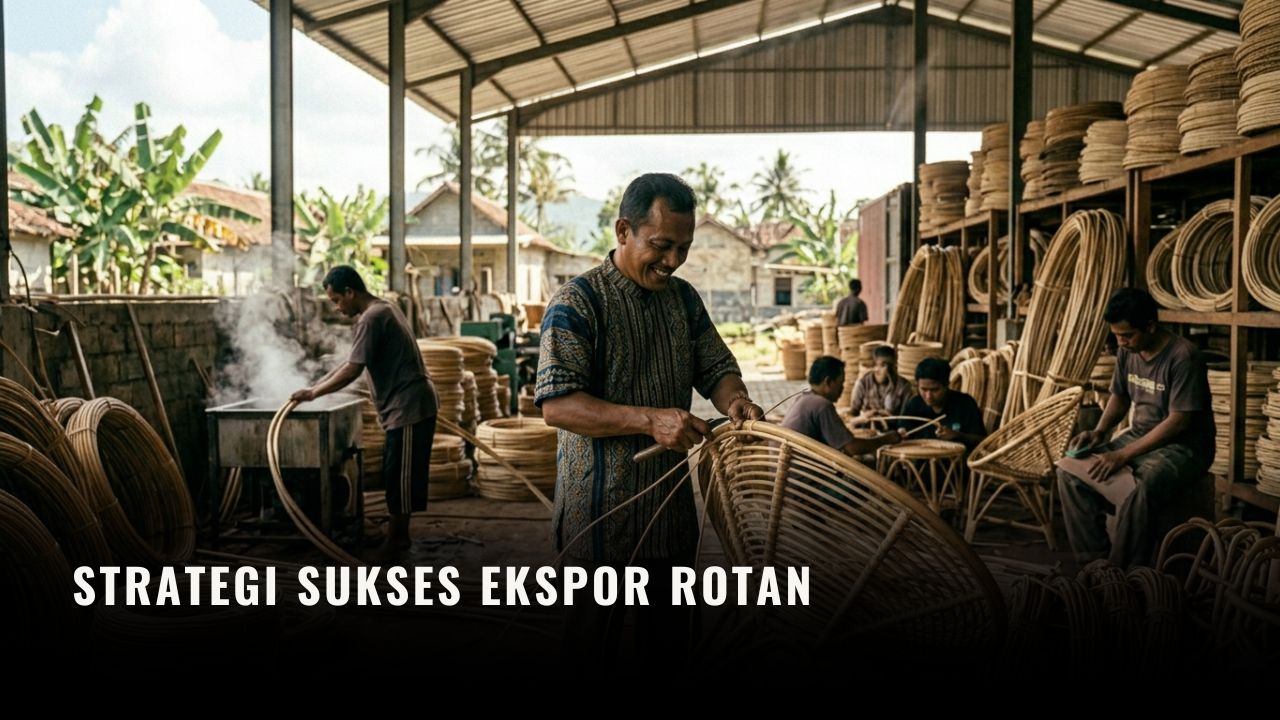
8. Successful Rattan Export Strategy
For a rattan export business to thrive and survive in the global market, a sound and consistent strategy is required. Fierce competition requires businesses to focus not only on production but also on quality, innovation, and service.
Maintaining Product Quality
Quality is a key factor in the export business. Products must meet international standards, in terms of materials, strength, finishing, and craftsmanship. Consistent quality will build buyer trust and open up the opportunity for repeat orders. Rattan Craft Exports
Design Innovation
The global market is highly dynamic and trend-driven. Therefore, design innovation is key to staying relevant. Businesses need to continually develop new models that align with market tastes, such as minimalist, modern, or eco-friendly designs.
Delivery Consistency
Timely delivery is crucial in the export business. Delays can damage your reputation and buyer trust. Ensure production, packaging, and logistics processes are running according to the agreed schedule.
International Customer Service
Professional service is an added value in the export business. Quick response, clear communication, and the ability to understand the needs of buyers from various countries will increase customer satisfaction. Good service fosters long-term business relationships and opens up opportunities for greater collaboration. By implementing these strategies, rattan entrepreneurs can increase their competitiveness and expand their market share internationally.
9. Capital and Profit Estimation
Starting a rattan export business requires careful financial planning. The amount of capital and potential profits will depend heavily on the scale of the business, the type of product, and the target market.
Initial Business Capital
Initial capital is usually used for:
• Procurement of rattan raw materials
• Production equipment (weaving tools, supporting machines, finishing)
• Labor costs
• Packaging (export packing)
• Catalog creation and initial marketing
For small-medium scale, the estimated initial capital can start from tens to hundreds of millions of rupiah, depending on the complexity of the product being made.
Production and Logistics Costs
Operational costs that need to be taken into account include:
• Rattan raw material
• Labor wages
• Finishing and quality control costs
• Packing costs (carton, wrapping, fumigation if necessary)
• Shipping costs (freight, handling, export documents)
Logistics is one of the largest cost components in exports, especially for overseas shipments that require containers.
Potential Profit Margin
The rattan export business has the potential for attractive margins, especially if business owners are able to maintain production quality and efficiency.
In general:
• Profit margins can range from 20%–50% depending on the product
• Handmade or custom products have higher margins
• Large export volumes can increase cost efficiency
The better the cost management and product quality, the greater the opportunity to gain greater profits.
With proper planning, the rattan export business is not only promising in terms of market, but also offers attractive and sustainable profit potential.
11. Tips for Facing the Global Market
Entering the global market isn't just about great products, but also about understanding how to compete internationally. Each country has its own characteristics, standards, and communication methods. Without preparation, significant opportunities could pass you by. Rattan Craft Exports.
Understanding Market Culture
Every country has different preferences and customs.
Misalnya:
• Europeans tend to prefer minimalist and natural designs
• Americans like products that are functional and strong
• Japan is more detailed and precise
Understanding market culture helps you adapt your products and communication methods to be more acceptable.
International Quality Standards
Overseas buyers are very strict about quality. They pay attention to:
• Product finishing
• Strength and endurance
• Neatness of detail
Ensure products are consistent and meet standards, as one mistake can impact long-term trust.
Negotiation with Buyer
In the export business, negotiation is commonplace.
Some things to note:
• Set a realistic and competitive price
• Understand production and logistics costs
• Don't just focus on price, but also on product value
Clear and professional communication will increase the chances of a deal.
Risk Management
Export business has various risks, such as:
• Delay in delivery
• Damage to goods
• Exchange rate fluctuations
• Regulatory changes
Strategy:
• Use standard export packing
• Choose a trusted logistics service
• Create a clear cooperation agreement
• Prepare a backup plan
By understanding and applying the tips above, rattan business actors will be better prepared to face the challenges of the global market and be able to compete professionally at the international level.
12. Conclusion
The business opportunity for exporting rattan crafts from Indonesia is enormous and promising. Supported by abundant raw materials, superior product quality, and global trends toward the use of natural materials, rattan has become a highly competitive commodity in the international market. Despite various challenges such as global competition, quality standards, and logistical constraints, all of these can be achieved with the right strategy, sound management, and a commitment to continuous quality improvement and innovation.
For entrepreneurs, this is the perfect opportunity to explore and develop a rattan export business. Start small, build quality and networks, and then gradually expand. With dedication and consistency, a rattan business can not only penetrate the global market but also generate sustainable profits.