








Blog
History of Rattan Weaving in Cirebon

History of Rattan Weaving in Cirebon
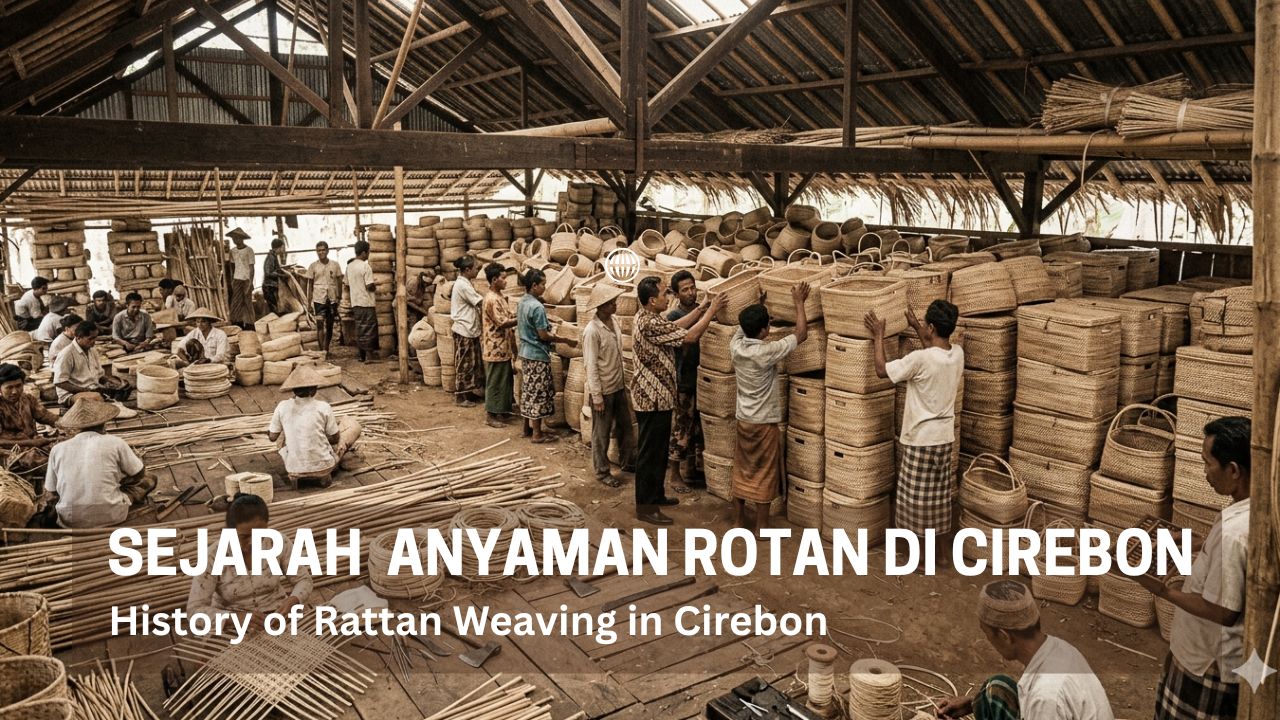
Cirebon is known as one of the largest rattan industrial centers in Indonesia. The city has a long history of rattan processing, from traditional crafts to developing a furniture industry capable of penetrating the international market. Supported by skilled craftsmen and an extensive distribution network, Cirebon is a strategic area for the development of the national rattan industry. For the people of Cirebon, rattan is not just a raw material, but has become an integral part of everyday life. Since ancient times, many families have relied on rattan weaving for their livelihoods, whether as craftsmen, production workers, or in the rattan trade. This weaving skill is even passed down from generation to generation, making rattan a cultural identity and economic strength for the local community. Rattan Weaving.
The rattan weaving industry also plays a vital role in driving the local economy. Numerous small, medium, and large businesses operating in the rattan industry create jobs for the local community. Furthermore, Cirebon's rattan weaving products are marketed throughout Indonesia and internationally, contributing to economic growth and strengthening Cirebon's position as a renowned rattan industry hub.
The Beginning of Rattan Weaving in Cirebon
The history of rattan weaving in Cirebon is inextricably linked to its strategic geographic location as a coastal region and a major trade route since ancient times. Rattan, as a raw material, first entered Cirebon through interregional trade, particularly from rattan-producing regions like Kalimantan and Sulawesi. Over time, local communities began to recognize and utilize rattan for various household needs. Local cultural influences also shaped the development of rattan weaving in Cirebon. Initially, communities made simple tools such as baskets, mats, and storage containers using traditional weaving techniques. These skills developed through generations within families, forming a distinctive regional craft identity. The motifs and weaving techniques used reflect the simple yet functional values of local culture.
As demand increased, rattan crafts, initially home-based, began to evolve into more organized businesses. Many people turned to rattan weaving as their primary source of income. This is how the Cirebon rattan industry began to grow, evolving from a traditional craft into an industrial sector capable of meeting the needs of a broader market, both domestically and internationally.
Development of Rattan Woven from Time to Time
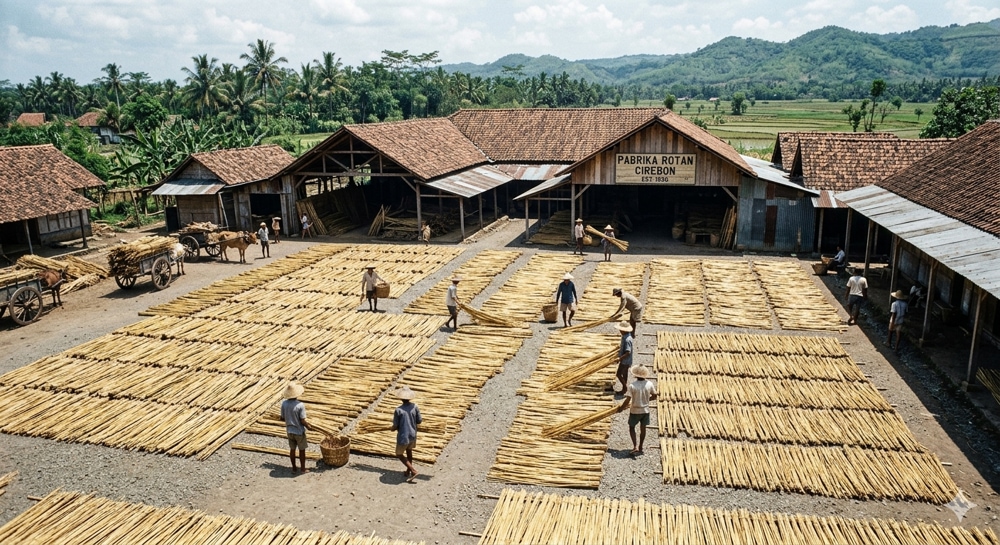
The rattan weaving industry in Cirebon has experienced rapid growth over time. Starting as a simple household craft, rattan weaving has evolved into a highly economically valuable industry. This change is due to increasing market demand, both domestically and internationally, and the craftspeople's ability to adapt to trends and consumer needs. Over time, production techniques, initially traditional, have evolved with the use of more modern equipment. Desain Products have become increasingly varied, not just limited to functional needs, but also leading to decorative products and high-value furniture. This development has enabled Cirebon rattan weaving to compete in the global market and continues to thrive to this day. This long journey demonstrates that the rattan weaving industry in Cirebon has not only survived but also continues to innovate with the times. From traditional to modern times, rattan remains a vital part of economic growth and the identity of regional crafts.
a. Traditional Period
During traditional times, rattan weaving in Cirebon initially developed to meet the household needs of the local community. Rattan was used as the primary material because it was readily available, strong, and durable. People used rattan to create a variety of functional and simple everyday items. Products produced during this period generally consisted of basic items such as rattan chairs, baskets, storage containers, and other household items. The designs were simple and prioritized function over aesthetics. Nevertheless, these products possessed unique value due to the handcrafting by local artisans.
The manufacturing process during traditional times still employed manual techniques with simple tools. Craftsmen relied on handicraft skills passed down through generations within families. The weaving technique was carried out traditionally without the aid of machines, giving each product its own unique character and characteristics. This simple process gave rise to the development of the rattan weaving industry, which has become one of Cirebon's signature crafts.
b. Industrial Development Period
Entering the industrial development era, rattan weaving in Cirebon began to undergo significant changes. Previously home-based activities evolved into more organized production businesses. Many craftspeople began increasing production capacity to meet growing market demand. At this stage, a division of labor began to be implemented, including the framing, weaving, and finishing. As the rattan industry developed, rattan craft centers began to emerge in various areas around Cirebon. These areas became centers of production activity, involving a large local workforce. The existence of these craft centers contributed to the community's economic growth and strengthened Cirebon's position as a widely recognized rattan product producer.
Demand for rattan products also began to come from outside the region, not just the local market. Cirebon rattan products began to be marketed to various cities across Indonesia. This encouraged craftspeople to improve quality and design diversity to compete in a wider market. This period of industrial development marked a significant milestone in the advancement of Cirebon rattan weaving towards a larger and more modern industry.
c. Modern and Export Period
Entering the modern era, the rattan weaving industry in Cirebon has experienced increasingly rapid development. Rattan products are no longer marketed solely domestically but have begun to penetrate the international market. Countries such as America, Europe, and Asia have become export destinations for Cirebon's rattan products. This has made the rattan industry a leading sector capable of increasing the region's economic value. Along with increasing global market demand, rattan product designs have also undergone significant changes. Craftsmen and manufacturers have begun developing more modern, minimalist designs, following international market trends. The resulting products are increasingly diverse, ranging from indoor and outdoor furniture to home decor with enhanced aesthetic value.
Furthermore, advances in production technology have supported the progress of the rattan industry in Cirebon. The use of more modern equipment has helped improve production efficiency and quality. Finishing, drying, and raw material processing have become more standardized. With the combination of traditional skills and modern technology, Cirebon's rattan weaving industry continues to grow and compete in the global market.
Cirebon as the Center of Indonesia's Rattan Industry
Cirebon is widely known as one of the largest rattan industrial centers in Indonesia. The large number of rattan craftsmen spread across various regions makes Cirebon a region with very active rattan production activities. Rattan processing skills have been passed down through generations, resulting in a skilled and experienced workforce in the fields of rattan weaving and furniture. Furthermore, the development of the rattan industry in Cirebon is supported by a stable supply of raw materials. Rattan sourced from various regions in Indonesia, such as Kalimantan and Sulawesi, is distributed to Cirebon to be processed into high-value products. This availability of raw materials allows the rattan industry in Cirebon to continue to grow and meet increasing market demand.
The role of rattan distributors and exporters is also crucial in strengthening Cirebon's position as a hub for the rattan industry. Distributors help maintain raw material availability for craftsmen and factories, while exporters provide access to international markets. Collaboration between craftsmen, distributors, and exporters creates a strong and sustainable rattan industry ecosystem. The rattan industry in Cirebon also contributes significantly to the regional economy. Numerous small, medium, and large businesses create jobs for the surrounding community. Furthermore, increased export activity of rattan products contributes to local economic growth and strengthens Cirebon's position as a nationally and internationally recognized rattan industry hub.
Types of Rattan Woven Products from Cirebon
The rattan weaving industry in Cirebon produces a wide variety of products with high functional and aesthetic value. As designs and market needs evolve, Cirebon's rattan products are increasingly diverse, meeting both local and international market demand.
Several types of rattan woven products that are widely produced include:
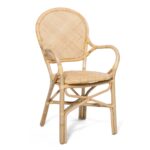
Rattan Chair
Rattan chairs are one of Cirebon's most popular products. They are highly sought after for their lightness, strength, and natural appearance, making them suitable for a variety of interior and exterior designs.
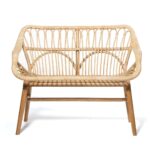
Rattan Sofa
Rattan sofas are widely used in living rooms, terraces, and outdoor spaces. With increasingly modern and comfortable designs, rattan sofas have become a leading product, widely marketed in various regions and even internationally.
Rattan Table
Rattan tables come in a variety of shapes and sizes, from coffee tables and dining tables to decorative tables. They are often combined with other materials such as glass or wood to enhance their aesthetic value.
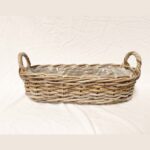
Rattan Basket
Rattan baskets are a craft product widely used for household purposes and decoration. Besides their functionality, rattan baskets also have high decorative value.
Home Decoration
Decorative products such as rattan lamps, rattan shelves, rattan mirrors, and other accessories are increasingly in demand due to interior design trends that are moving towards natural and environmentally friendly concepts.
Other Export Products
In addition to its core products, Cirebon also produces a variety of rattan products for export, including outdoor furniture, hotel furniture, commercial decor, and custom products tailored to international buyers. This demonstrates Cirebon's rattan industry's ability to compete and adapt to global market trends.
Cirebon's Typical Rattan Weaving Technique
Cirebon's rattan weaving technique has its own unique characteristics, distinguishing it from other regions. This expertise evolved from traditional skills passed down through generations, evolving with modern touches to meet current market needs.
Traditional Weaving Techniques
Initially, rattan craftsmen in Cirebon used traditional hand-woven techniques. This technique relies on the craftsman's skill and experience to produce strong, neat weaves. Common weaving patterns include cross weave, tight weave, and simple weaves that focus on the product's strength and function.
Modern Engineering
As the industry developed, rattan weaving techniques also underwent innovation. Craftsmen began developing more complex techniques by combining various weaving patterns. Furthermore, the use of modern tools helped increase production efficiency without compromising the quality of the weaving.
Combination of Classic and Modern Design
One of the hallmarks of Cirebon rattan weaving is the craftsmen's ability to combine classic designs with modern touches. Traditional patterns are retained but combined with shapes and designs that follow global market trends. As a result, Cirebon rattan products not only retain traditional values but also appear more modern and attractive to both local and international markets.
Challenges of the Rattan Weaving Industry
Although the rattan weaving industry in Cirebon continues to grow, various challenges must be overcome to ensure its survival and competitiveness in the global market. These challenges are a significant concern for industry players, from artisans to distributors to exporters.
Global Market Competition
The increasing openness of the international market has intensified competition. Competitively priced rattan products from other countries present a challenge for the Cirebon rattan industry. Therefore, artisans and businesses are required to continuously improve product quality, design, and production efficiency to remain competitive.
Availability of Raw Materials
The availability of rattan raw materials is also a challenge that requires attention. Rattan, as a natural material, relies on forest products from various regions in Indonesia. Disruptions in the supply of raw materials will impact the production process and market price stability.
Regeneration of Craftsmen
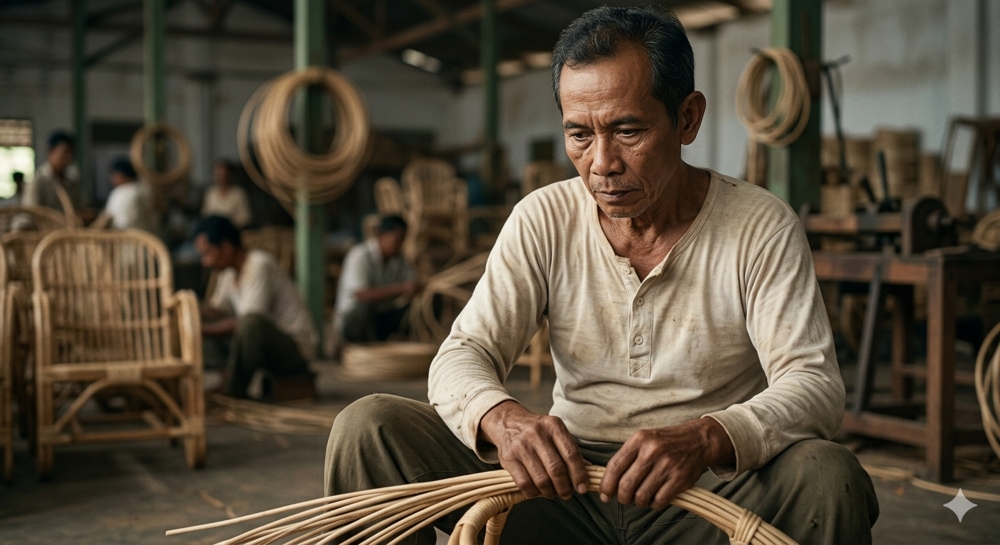
The rattan weaving skill, traditionally passed down through generations, faces challenges in workforce regeneration. Younger generations' interest in working as rattan craftspeople is declining, necessitating efforts to attract new generations to ensure the sustainability of the rattan industry.
Changes in Design Trends
Constantly evolving design trends also present a challenge. Today's consumers demand products that are more modern, minimalist, and in keeping with the latest interior trends. Therefore, rattan industry players need to continuously innovate in design to remain relevant and in demand in the market.
Opportunities for the Rattan Industry in the Future
The rattan industry in Cirebon has enormous potential for continued growth in the future. With increasing awareness of natural and environmentally friendly products, rattan has become a material increasingly sought after by the global market. This presents opportunities for rattan industry players to expand their market and increase product value.
Export Market Demand Increases
Rattan products from Cirebon are well-known in various countries and continue to see increasing demand. International markets such as America, Europe, and Asia show strong interest in rattan products, particularly for furniture and home decor. This presents a significant opportunity for industry players to increase production capacity and product quality.
Environmentally Friendly Products Are Increasingly Popular
Rattan is a natural, environmentally friendly, and easily renewable material. As the trend for sustainable lifestyles increases, rattan products are increasingly sought after by global consumers. This provides a distinct advantage for the Cirebon rattan industry in facing market competition.
Design Innovation and Production Technology
Developments in design and production technology have also opened up new opportunities for the rattan industry. Craftsmen and manufacturers can create more modern, functional products that align with market trends. The use of more efficient production technologies has also helped improve quality and production capacity, enabling Cirebon's rattan industry to continue to grow and compete in the international market.
Closing
As one of the centers of the rattan industry in Indonesia, Cirebon plays a vital role in the development of rattan crafts and furniture, both nationally and internationally. Supported by skilled craftsmen, an extensive distribution network, and extensive experience in the rattan industry, Cirebon continues to maintain its position as a region producing quality rattan products. Going forward, Cirebon's rattan industry is expected to continue to grow by capitalizing on increasingly open market opportunities. Design innovation, quality improvement, and support from various parties are key to maintaining the industry's sustainability. Through collaboration between craftsmen, distributors, and business players, Cirebon's rattan industry can continue to grow and make a greater contribution to the regional economy.
Given these developments, it is crucial for us to continue supporting local rattan products as part of our efforts to preserve traditional crafts and stimulate economic growth. By choosing and using rattan products from Cirebon, we help maintain the sustainability of the rattan industry and support the well-being of the communities that depend on this sector for their livelihoods.